
Introduction
Writers often grapple with the balance between plot-driven and character-driven storytelling. We’re told that character-driven stories are better, more engaging, more meaningful. But the truth is, there’s no single right answer. Every story demands its own approach, and most don’t fit neatly into one category.
To illustrate, I created two different synopses for my current work-in-progress, Lords of Wishermoore, during the brainstorming phase. Each highlights a different focus:
Character-Driven:
After 15 years of peace, a once-in-a-millennium comet crashes into a neighboring kingdom, unleashing chaotic magic that transforms its people into super-powered raiders. These Viking-like warriors begin attacking Wishermoore, forcing the three lords, Meryth, Titus, and Nelson, to reunite. Once heroes, they must now grapple with how much they’ve changed since their youth, questioning whether their bond can withstand the challenge or if their kingdom is doomed to fall.

Plot-Driven:
A comet, foretold to appear only once every thousand years, crashes into a neighboring kingdom, its impact releasing a powerful magic that turns its people into unstoppable raiders. These warriors, reminiscent of ancient Viking hordes, begin their conquest, driven by primal rage and newfound strength. As their attacks intensify, the lords must rally their forces and summon their spellbound beasts to defend Wishermoore before the spreading magic overtakes their land.
Each version emphasizes different aspects, the first centers on personal struggles, while the second leans into action and external conflict. Understanding this distinction helps shape the reader’s expectations and refines the story’s direction. My current draft leans toward the character-driven side, but revisions may bring it closer to a plot-driven approach.
Now, let’s break down the truth behind plot-driven vs. character-driven stories, how they play off each other, and practical strategies to strike the perfect balance in your own writing. If you followed last week’s discussion on Character Arcs – Aligning Personal Growth with Plot, this post will build on that foundation.
Defining Plot-Driven vs. Character-Driven: Beyond the False Binary
Plot-Driven Characteristics
Thrillers, adventure stories, and mysteries are common genres categorized as plot-driven stories. These genres prioritize external events, obstacles, and goals that primarily drive the narrative forward. A common criticism is that characters in such stories are often more reactive than proactive, leading some to view these stories as less character-rich or emotionally complex.

However, dismissing these stories as being too reactive or “shallow” might overlook one of their greatest strengths: momentum with meaning. There’s a reason so many Hollywood blockbusters are dubbed “high-octane thrillers” or pulse-pounding adventures. Audiences crave stories that grip them instantly, toss them into danger, and pull them through a gauntlet of twists without waiting around for a slow-burn character story.
Sure, we may not get every intimate detail of a character’s childhood trauma, but in high-stakes scenes, we glimpse just enough. And sometimes, that’s more powerful. When a protagonist is weaving through traffic on a motorcycle while being chased by gun-toting adversaries in blacked-out SUVs, you learn who they are by how they react. You don’t need a flashback of them rescuing a turtle from a hawk to understand their moral code. You just need to see them risk their life for a stranger or choose not to shoot the villain when they have the chance.
Plot-driven stories distill character to its most essential elements. It’s not a lack of depth, but depth under pressure.
Character-Driven Characteristics
“Character-driven” has become something of a buzzword in the publishing world. Everyone says they want it, but not everyone agrees on what it truly means. At its core, this kind of storytelling centers on internal conflict, evolving relationships, and personal transformation. You’re more likely to find it in literary fiction, coming-of-age tales, and sprawling family sagas where emotional stakes take precedence over car chases.
Rather than focusing on external events, the plot in these stories becomes a vehicle for introspection. Each development peels back a new layer of the character’s psyche, revealing vulnerabilities and unresolved pain. As readers, we’re not just watching the story unfold, we’re invited to examine how our own experiences shape us and ask how we might act under similar circumstances.

The climax isn’t always explosive, it’s often quiet but impactful. A decision made not with fists, but with tears or forgiveness. And in that silence, a character fully becomes who they were meant to be.
The False Binary Problem
While both descriptions above offer guidance for writers and marketers, they also impose artificial limits on storytelling. The truth is, plot-driven stories require well-developed characters, and character-driven stories need engaging plots.
Take thrillers or adventures described as “high-octane,” without fully realized characters. Many readers who value character development may check out early. Perhaps they aren’t your target audience, but even your core readers have different preferences. Avoiding deeper character exploration might unintentionally alienate devoted fans.
On the flip side, beautifully crafted literary fiction often excels in character depth and thematic richness. Yet the most common critique is poor pacing or lack of engagement. Even a literary masterpiece can cannot resonate if readers lose the motivation to keep turning pages.
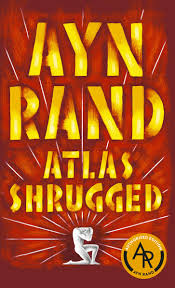
My experience with Atlas Shrugged by Ayn Rand illustrates this. I listened to about 10 hours before I DNF’d it. The premise and characters intrigued me, but it felt like one story ended around hour 10 and another began. That shift disrupted the pacing and left me feeling like I’d already invested enough. It broke the spell.
Remember that you need to find the balance between plot and character as they enhance each other and give you a more engaging story.
The Symbiotic Relationship: How Plot and Character Enhance Each Other
We’re back at another study of the symbiotic relationship of plot and character. Last week, we looked at how aligning the plot with character arcs creates a deeper impact for the readers. This week, we’re exploring how plot reveals characters and characters drive plot.
Plot as a Character Revealer
External plot points are among the most powerful tools for character development. Think about a story where your understanding of a character deepened because of how they responded to a major event beyond their control. Take Mr. Darcy, for example. When we learn how he handled Lydia’s elopement with Wickham, our view of him shifts. He’s no longer just the proud, aloof figure we first met. He becomes someone capable of selfless action and quiet sacrifice. We question our assumptions: is he really such a bad guy if he’s willing to protect the Bennet family at great personal cost?
This technique, using external events to reveal inner character, is a cornerstone of the Save the Cat methodology. When a character veers off their self-serving path to save a metaphorical (or literal) cat, it signals to the audience that this is someone worth rooting for, even if their flaws are on full display. Showing characters fail is another powerful way to make them relatable; we recognize our own struggles in theirs, and these failures expose their vulnerabilities.
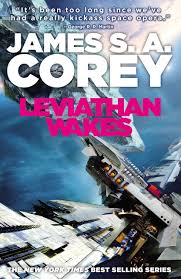
Every compelling character has a flaw or weakness that raises the stakes and deepens the story. In The Expanse series, James Holden reveals his flaw early on when he broadcasts information about a Martian trap to the entire solar system. His compulsion to share information, often without considering the consequences, becomes a recurring challenge and a defining weakness throughout the narrative. Which brings us to the next topic of how the character can drive the plot.
Character as the Plot Driver
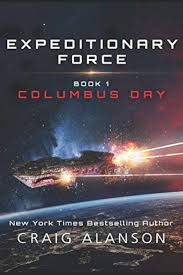
Character motivations, flaws, and decisions are natural engines for plot development, helping maintain forward momentum in a story. Craig Alanson masterfully demonstrates this in his Expeditionary Force series. Every choice Joe and Skippy make in the early books echoes throughout the series, either through direct callbacks or mirrored consequences that tie the beginning and end of each book together. These events don’t just follow logically. They unfold because of who the characters are at each moment in time.
Joe, in particular, is a developing leader who must endure the growing pains of experience. His mistakes are essential to his learning process, and even his successes often trigger the law of unintended consequences. His early lack of confidence doesn’t just shape his personal arc, it creates ripple effects that lead to conflicts with humans, aliens, and the universe itself. By focusing on Joe’s internal struggle, the story keeps us engaged, eager to witness both his growth and the inevitable fallout from his well-intentioned decisions.
When using characters as the primary drivers of plot, your goal is to create such a natural chain of cause and effect that readers never question the events unfolding. This is often what’s missing in stories that flop, whether in film or literature. When you lean on the plot too heavily, characters become little more than placeholders in a situation. While a story might begin this way, take Lost, for example, it must eventually shift to let the characters shape key events and responses. That’s where the real story emerges. External events may set things in motion, but it’s the actions and decisions of characters like Locke and Boone that pull us deeper into the mystery of the island and make the narrative resonate.
Practical Strategies for Achieving Perfect Balance
Now that you’ve established an understanding of the symbiosis between plot and character, let’s help you implement it.
The 60/40 Rule
The 60/40 rule is a helpful storytelling guideline that suggests most successful narratives lean slightly more toward either plot-driven or character-driven storytelling, about 60%, while still incorporating a strong 40% of the other. This balance creates a dynamic, engaging story that feels both emotionally resonant and narratively satisfying. Use the table below to decide the balance for your story.
| Genre | Typical Balance | Notes |
|---|---|---|
| Action/Adventure | 60% Plot / 40% Character | Stakes and pacing are key, but emotional investment matters. |
| Romance | 60% Character / 40% Plot | Emotional arcs are central, but plot still needs structure. |
| Mystery/Thriller | 70% Plot / 30% Character | Plot intricacy is vital, but character motives add depth. |
| Literary Fiction | 70% Character / 30% Plot | Focuses on introspection and relationships. |
| Sci-Fi/Fantasy | 60/40 or 50/50 | World-building often drives plot, but character arcs ground the story. |
Character-Motivated Plot Points
Those character-motivated plot points are the most powerful we can harness as an author. The actual implementation of these memorable moments depends on your ability to execute elements that we’ve gone over in previous posts. Use the following to build the strongest plot points:
- Foreshadowing: The characters’ actions, words, or flaws should foreshadow the challenges they will face. This brings the strongest response from reader and character because it builds on concepts of regrets, fears, and doubts. The hindsight might not appear with this tool until long after the consequences have manifested.
- Plot Twists: Your story will have turns and remember that the best plot twists are derived from the characters and their impact on the story. A plot twist highlights the consequences of the characters actions, words, or flaws with a direct hindsight apparent.
- Moral Dilemmas: A moment where the character’s, well, character is truly tested can really help your readers buy into the story. Words are great, but forcing the character to prove their claims is a great way to drive your plot forward while focusing on the character.
Plot-Driven Character Moments
Now it’s time to flip the coin. In some stories, the character takes a backseat to the plot—occupying that 40% or even 30% side of the balance. Here, it’s the events of the story that shape the character, not the other way around. But that doesn’t mean the character is passive. Even strong personalities, like Jason Asano in He Who Fights With Monsters, are deeply affected by the plot points they encounter.
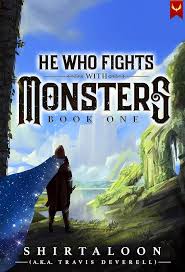
Jason’s growth isn’t just about cool encounters with gods, astral beings, or other powerful entities—it’s about how those moments transform him. These aren’t just flashy set pieces; they’re formative experiences that leave lasting marks on his psyche, values, and trajectory. Without those encounters, Jason wouldn’t become the person—or the force—he eventually is. The plot doesn’t just move him forward; it reshapes him.
So take the time to shape your characters through the plot, and make it more than a one-dimensional event. See the Resources below for a Plot Vs. Character Balance Quick Assessment printable document.
Writing Exercise: The Pressure Cooker Scene
Objective: Practice using external plot pressure to reveal character depth and using character decisions to drive plot forward.
Setup (2 minutes)
Choose one of your existing characters or create a new one. Write down:
- Their biggest fear or weakness
- One thing they value above all else
- A moral line they claim they’d never cross
The Exercise (10 minutes)
Part 1 – Plot Reveals Character (5 minutes): Write a scene where your character faces an unexpected crisis that directly challenges either their fear, their values, or their moral boundaries. This should be an external event they cannot control – a car accident, a fire, a betrayal, a sudden opportunity.
Focus on showing (not telling) their character through:
- Their immediate physical reactions
- What they do first vs. what they say
- Small details in their behavior under pressure
- How they treat others in the crisis
Part 2 – Character Drives Plot (5 minutes): Continue the scene, but now have your character make a crucial decision based on who they are. This decision should:
- Stem directly from their personality, values, or flaws
- Create a new problem or opportunity
- Push the story in an unexpected direction
- Have consequences they didn’t anticipate
Reflection (3 minutes)
Answer these questions:
- What did you learn about your character that surprised you?
- How did the external pressure reveal something new?
- How did their decision create natural plot momentum?
- Could this scene work in your current story? Why or why not?
Bonus Challenge: Rewrite the same scene from a different character’s perspective. Notice how the same plot events reveal different character traits.
Conclusion
The plot-versus-character debate has trapped too many writers in false choices. But the real magic happens when you stop picking sides and start building bridges. Your thriller doesn’t need shallow characters to maintain pace, and your literary fiction doesn’t need a dull plot to showcase emotional depth. Use external pressure to reveal who your characters truly are, then let those authentic moments naturally drive the story forward.
Mastering this symbiotic relationship allows you to craft stories that satisfy both readers craving emotional connection and those hungry for page-turning momentum. Download the free assessment worksheet above to discover where your manuscript currently falls on the balance spectrum—and use the targeted revision strategies to transform your story into one that truly sings.
Additional Resources
- Books:
- “Story Genius” by Lisa Cron (character-driven approach)
- “The Anatomy of Story” by John Truby (plot structure with character integration)
- “The Writer’s Journey” by Christopher Vogler (balancing heroic structure with character development)
- Articles:
- “11 Plot Pitfalls—and How to Rescue Your Story From Them” (Writer’s Digest)
- “Genre Tips: How to Write Literary Fiction” (Helping Writers Become Authors)
- “Genre Conventions: Why They Matter and How They Shape Your Story” (REAM)
- Tools:
Previous Post: Character Arcs – Aligning Personal Growth with Plot
Next Post: Backstory – Weaving the Past into Your Plot
Discover more from Kenneth W. Myers
Subscribe to get the latest posts sent to your email.
 Kenneth W. Myers
Pingback: Estória Free Download PC Game Latest Version