
- Introduction
- Preparing Your Manuscript
- Researching Markets
- The Submission Process
- Writing Exercise/Application: Submitting Shorts
- Conclusion
Introduction
Short fiction is a great tool that not only helps you build your writing skills but also adds to your portfolio. Submitting short fiction to literary magazines can be stressful and intimidating at first. I’m still working to get comfortable with it, so just know that it’s a process. Short fiction lets you explore different aspects of your world or delve into specific interests.
Submitting short fiction in the science fiction and fantasy market can help you succeed more quickly. Having a list of published stories when pitching your novel to an agent shows others appreciate your work in the industry.
Writing short fiction is a whole other post that I’ll share later. This is for those who have short fiction and are looking to submit it.
Preparing Your Manuscript
A lot of your preparation will follow a normal editing process, but there are some differences you’ll have to consider.

Formatting Guidelines
Each literary magazine you send your speculative fiction to will have specific formatting guidelines. This isn’t the time to read over them like you read the terms and conditions of that app you just downloaded. The formatting guidelines are the first test for the literary magazine to see if you can follow the rules. Yes, in writing, rules are meant to be broken, but formatting guidelines isn’t one of those rules.
In the formatting guidelines, you’ll usually find the font, font size, spacing, headers, footers, and what type of file they want you to send. The specifications are important because they ensure a uniform and professional look for all submissions, making them easy to read. You might encounter requirements regarding margins, indentation, and the use of bullet points or numbering for lists. By following these guidelines, your work will become clearer and easier for readers to understand. This will also make the review process smoother.
Common Manuscript Mistakes to Avoid
There are some common errors that will get your manuscript lost in an editor’s digital slush pile. The first one may seem like you just read it, but it’s worth reiterating.
- Ignoring Submission Guidelines: Each magazine had its rules about formatting, word count, and content. Don’t make assumptions. Read the submission guidelines thoroughly.
- Submitting to the Wrong Market: Research the magazine’s preference. A hard sci-fi mag won’t appreciate your space fantasy romp. Just as your story can never have a target audience of everyone, your short story won’t fit in any magazine you can submit to.
- Not Updating Your Cover Letter: Some literary magazines request a cover letter, a brief bio, or another introductory piece that gives them a better idea of you and your writing experience. While creating this may seem like a cut-and-paste task, the best practice is to tailor it to match the magazine you’re submitting to. I’ll talk about this further down.
Proofreading and Editing Tips
Not proofreading or editing your manuscript is the quickest way to get it thrown into the slush pile. There is always room for improvement, as we’re writers and not full-time editors, but you should be submitting your best work. There’s a clear difference between when effort was put in and when your manuscript was quickly run through a grammar check. I know this from looking back at my early submissions, both novels and short stories. I’m not surprised that I got form rejections. So, what can you do to avoid my mistakes?
Take your editing seriously. If you’re anything like me, the editing process makes you grumpy and is the last thing you want to worry about with your story. Taking your editing seriously means realizing you’re putting yourself out there to be judged. Editors who view hundreds of submissions a day will evaluate you for any reason to move on to the next submission. Don’t let your proofreading and editing be that reason.
Get feedback from others. The hardest thing to realize is that we miss most of our mistakes. I tend to skip words that I’ve typed in my head but not on the page. Having outside eyes doesn’t just help with the story structure and elements, but also with the grammatical and other errors we’ll make. This also prepares you for the feedback you will receive when your story is accepted. Knowing how to respond and update your story based on feedback is a critical tool in your author’s kit.
Researching Markets
Knowing where to submit your short fiction to can be a challenge, as there are so many magazines, writing competitions, and websites to submit to. To find the best home for your work, you’re going to have to research the market. This will take knowing your work and how it will fit in certain speculative fiction magazines and how it won’t fit in others.

Types of Speculative Fiction Magazines
Speculative fiction encompasses genres like science fiction, fantasy, and horror. There are certain magazines that will focus on the different elements, tropes, and story structures that will come with each genre. Understanding your genre will help you find the right type of magazine you’ll want to look into.
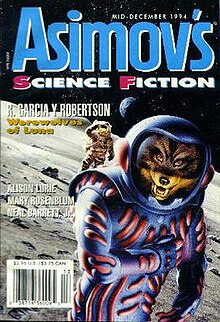
Science Fiction magazines focus on stories about the future, technology, or space that spark the imagination and take readers to unexplored worlds. They explore themes like the effects of advanced technology on society, the potential for interstellar travel, and the ethical issues of artificial intelligence.
These publications also provide a space for both experienced and new writers to share their creative ideas and thoughts on the human experience, encouraging readers to think about what the future may hold in our changing universe. Check out literary magazines like Asimov’s Science Fiction and Analog Science Fiction and Fact to see if they’re the right fit for you.
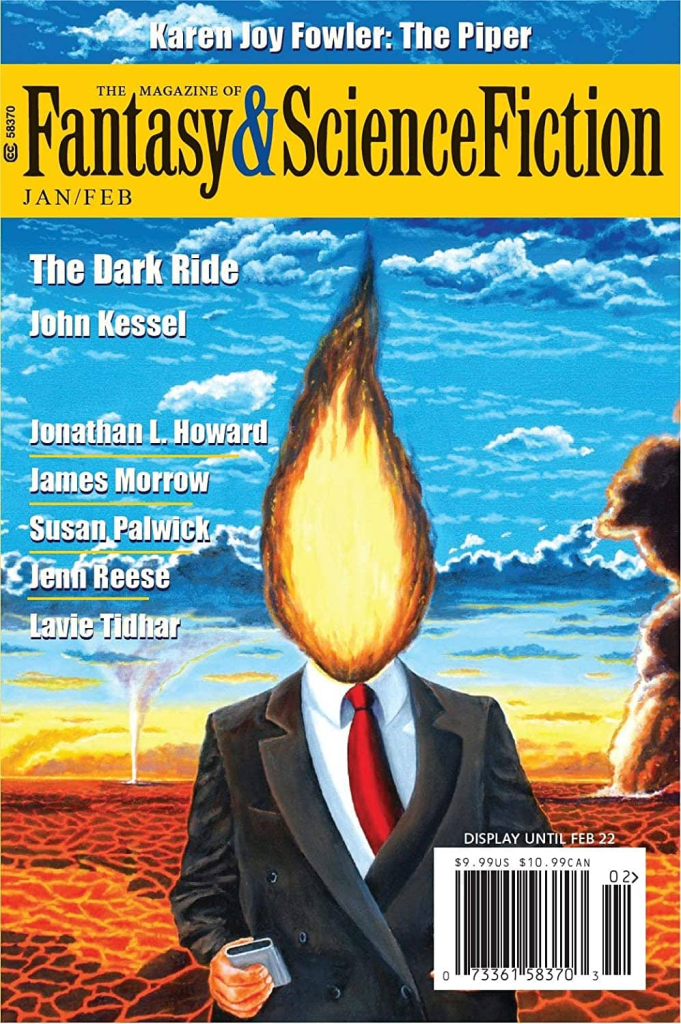
Fantasy magazines feature stories filled with magical and mythical elements, taking readers to imaginative worlds where fantastic creatures exist and heroes go on grand adventures. These magazines are a great escape for those wanting to leave behind everyday life, offering a variety of tales that delve into imagination and wonder. With stories about magic, legendary beasts, and old prophecies, fantasy magazines not only entertain but also encourage reflection on reality and belief. Through diverse stories, they invite readers to discover the endless possibilities of creativity and the human spirit. Look up magazines like Fantasy & Science Fiction and Beneath Ceaseless Skies to see if your story fits.
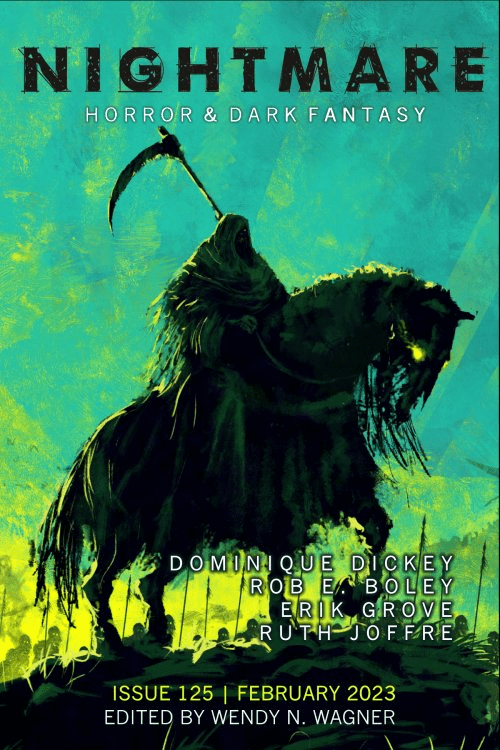
Horror magazines feature suspenseful stories that draw readers into frightening worlds. They often include ghost tales, psychological thrillers, and modern narratives that challenge sanity. Each issue captivates with striking artwork and engaging writing, inviting readers to explore their fears. As they read, subscribers meet various characters in scary situations, leading to surprising and eerie endings. Through thrilling fiction and true accounts, horror magazines provide an escape into the dark. Dig into magazines like Nightmare Magazine and The Dark if this is where your writing falls.
How to Find Suitable Markets for Your Work
There are many websites, books, and other resources that can help you find a suitable market for your work. But finding the right market for your fiction may take a few tries and a lot of research.
Start by researching online databases to find markets that fit your story, genre, and length. Many resources can help you find the right platforms for your work, such as literary magazines, online journals, or contests. It’s important to think about the specific criteria of each publication, as some focus on niche genres or formats. For example, flash fiction magazines only publish 100-word stories, while your 10,000-word fantasy short story needs a market that values longer narratives. Look for publications that highlight character development and world-building, important elements in the fantasy genre. Also, check submission guidelines closely; they provide insights into what editors want. By spending time on this research, you can improve your chances of finding a good outlet for your work.
Once you’ve found a handful of options, familiarize yourself with those magazines or websites. Many of the big name magazines you can find on Libby, a library app that lets you borrow digital books and magazines as if you were borrowing them from the library. If not, subscribe to the magazine and start reading the issues. Your research in the previous section should tell you if it will be worth your time. In reality, you’re reading the magazines to get a feel for the stories they accept, their style, and their preferences.
Now that you’ve gotten a good feel for your market, it’s time to watch for submission calls. While many of the literary magazines keep open submissions, there are just as many that have submission windows, reading windows, and when they publish. You can check websites like Poets & Writers or Authors Publish for submission calls. I’ve recently found Chill Subs that send emails weekly for submission calls, which one’s close soon, and acceptance rates. It’s a great tool that I highly recommend.
In a final note, talk with your writing friends about where they submit and what those experiences have been like. They can support you in the inevitable rejections and successes.
The Submission Process

The submission process is its own beast in short fiction. If you’ve done your research, it should be easier, but it’s hard, especially when you haven’t professionally published anything before. Let’s go over cover letters, simultaneous submissions, and using submission trackers to make this process a little more comfortable for you.
Cover Letters: Do’s and Don’ts
Do’s:
- Keep it concise: Editors are busy, so a brief cover letter is appreciated.
- Personalize it: Address the editor by name if possible and mention why you chose their publication.
- Include relevant information: Mention the title of your story, its word count, and any previous publications if you have them.
- Be professional: Use a polite and respectful tone.
Treat your cover letter like a job application. By that, I mean curtail your wording choices to align with the publishing house. The best job applications tie in the job responsibilities from the company into the applicant’s attributes. To convert that to writing, showing that you took the time to read the site by using their keywords will help your cover letter stand out above the rest.
Don’ts:
- Avoid being overly familiar: Keep the tone professional rather than casual.
- Don’t summarize your story: Let your story speak for itself.
- Avoid unnecessary details: Stick to the essentials and avoid personal anecdotes unless they are directly relevant.
Don’t let anxiety take over when writing your cover letter. Many people try to connect with the editor on a personal level, but this isn’t the time for that. Your cover letter should be brief, providing the basics and leading the editor into your story. Let your story be the connection to the editor. While it’s important to stay true to yourself, overly familiar salutations might send your draft to the slush pile faster.
Simultaneous Submissions: Pros and Cons

Simultaneous submission is submitting one story to multiple literary magazines at once. A publisher will state if they allow simultaneous submissions in their submission guidelines. This is a great way to field your story and increase its chances of success. But there are some drawbacks to this approach. Let’s look at the pros and cons.
Pros:
- Increases your chances: Submitting to multiple publications at once can significantly increase the likelihood of acceptance, as it allows your work to reach a broader audience and various editorial preferences simultaneously. By diversifying your submission strategy, you can improve your chances of finding the right fit for your writing style and subject.
- Saves time: You don’t have to wait for one publication to respond before submitting to another. Submission times can range from a short-long time (weeks to months) to an infinitely long time that you forget you submitted to that magazine.
Cons:
- Requires careful tracking: You need to keep track of where you’ve submitted to avoid confusion. This is also important when your story gets accepted somewhere. You’ll have to remember all the publications you submitted to so you can notify them of your publication at another magazine.
- Potential for withdrawal: If one publication accepts your story, you’ll need to withdraw it promptly from others, which can be a hassle. Depending on the rules and expectations of the magazine, you might still submit it to others, but often magazines want original content.
Using Submission Tracking Tools
Submission tracking tools are a great resource to streamline your record-keeping. Once you’re at the point of submission, it’s essential to treat writing like a job. Metrics are important, even if you’re not trying to make a living from your writing. They help you create deadlines and offer insights into your professional writing experience.
Benefits:
- Organization: Helps you keep track of where and when you’ve submitted your work. Submission Tracking tools help ensure that nothing falls through the cracks and allowing you to maintain a clear overview of your submissions.
- Deadlines: They allow you to effectively monitor submission deadlines and response times, ensuring that you stay informed about crucial timelines and can meet your obligations without any last-minute rush or stress.
- Insights: Some tools provide in-depth statistics on acceptance rates and average response times, which can help you effectively strategize your submissions, allowing you to understand the trends and patterns that may influence your chances of success.
Popular Tools:
- Excel or Google Sheets: For a more manual approach, you can create your own tracking spreadsheet. I’ve added a version of mine with some modifications on a template you can open directly from excel. This can be a simple way if you’re familiar with the tool, but don’t worry if you don’t.
- Duotrope: A comprehensive tool that offers a vast database of publishers, detailed submission trackers for managing your submissions effectively, and insightful statistics to help writers make informed decisions about where to send their work.
- The Submission Grinder: A comprehensive, free alternative to Duotrope that offers similar features, including submission tracking, market listings, and user-generated feedback, making it an excellent resource for writers seeking publication opportunities.
The below is my promised tracker. I left the example stories from the template in Excel so you can better visualize what it might look like for you. Let me know if you have any questions.
Writing Exercise/Application: Submitting Shorts
1. Manuscript Preparation
- Write a short story (1,000-5,000 words) in your chosen sci-fi or fantasy subgenre.
- Edit your story, focusing on grammar, spelling, and narrative structure.
- Ask a writing friend or join a critique group to get feedback on your story.
- Revise based on the feedback received.
2. Market Research
- Create a list of 5-10 sci-fi or fantasy magazines that accept short fiction submissions.
- For each magazine, note:
- Preferred word count range
- Specific subgenres they focus on
- Submission guidelines (formatting, file type, etc.)
- Submission periods or deadlines
- Whether they accept simultaneous submissions
3. Formatting Practice
- Choose 3 magazines from your list with different formatting requirements.
- Format your story according to each magazine’s guidelines.
- Save each version with a distinct file name (e.g., “StoryTitle_MagazineName.docx”).
4. Cover Letter Drafting
- Write a basic cover letter template including:
- Your name and contact information
- Story title and word count
- A brief, relevant bio (2-3 sentences)
- Customize this template for 3 different magazines, ensuring you:
- Address the correct editor by name
- Mention why you chose their publication
- Align your language with the magazine’s style
5. Submission Tracking Setup
- Choose a submission tracking method (e.g., spreadsheet, Duotrope, The Submission Grinder).
- Set up your tracking system with the following columns:
- Story Title
- Magazine Name
- Date Submitted
- Expected Response Time
- Status (Pending, Accepted, Rejected)
- Notes
6. Mock, or Real, Submission Process
- Choose your top 3 markets from your research.
- Prepare your story and cover letter for each market.
- Record these “submissions” in your tracking system.
- Set reminders for follow-up based on each market’s expected response time.
7. Rejection and Resubmission Practice
- Simulate receiving a rejection for one of your submissions. Or receive your first rejection letter. I set aside a folder in my email for rejection letters.
- Practice the resubmission process:
- Choose the next suitable market from your list
- Update your tracking system
- Prepare the manuscript and cover letter for the new market
- “Submit” to the new market
8. Acceptance Scenario
- Simulate receiving an acceptance for one of your submissions. Once you start really submitting, this will come. Create a “I Love Me” folder in your email to keep hold of those acceptance emails.
- Practice the acceptance process:
- Draft an acceptance response email
- Update your tracking system
- For simultaneous submissions, draft withdrawal emails to other markets
9. Reflection and Goal Setting
- Review your experience with this exercise.
- Set concrete goals for your short fiction submissions, such as:
- Number of stories to complete in the next 3 months
- Number of submissions to make in the next 6 months
- Target publications you’d like to be featured in
Remember, the key to success in short fiction submissions is persistence, professionalism, and continuous improvement of your craft. Good luck with your submissions!
Conclusion
Submitting short fiction in the science fiction and fantasy market can be a rewarding experience that helps build your writing career. If you take the time to prepare your manuscript, research the right markets, write professional cover letters, and manage your submissions well, you’ll have a better chance of succeeding.
Remember, persistence is key in this process. Each submission, whether it results in acceptance or rejection, is a step forward in your writing journey. Keep honing your craft, stay organized, and don’t let rejections discourage you—they’re a natural part of the process. With time and dedication, you’ll find the right home for your stories and start building a strong portfolio of published work.
Previous Post: Networking and Finding Community as a Spec Fic Writer
Next Post: How to Approach Literary Agents with Your Speculative Manuscript
Discover more from Kenneth W. Myers
Subscribe to get the latest posts sent to your email.
 Kenneth W. Myers
Pingback: Networking and Finding Community as a Spec Fic Writer – Myers Fiction