

Understanding the Revision Process
Revision is more than just editing—it’s a transformative process where your first draft evolves into a more compelling narrative that captures the readers’ attention and emotions. Every writer’s process is unique, involving different strategies and approaches, but the fundamental goal remains the same: to create a stronger, more coherent story that resonates with its audience.
During revision, writers often delve deeper into character development, plot structure, and thematic elements, enhancing their initial ideas with new insights and perspectives. This stage of writing not only sharpens the clarity and impact of the narrative but also allows the author to explore various literary techniques, ensuring that each word serves a purpose and contributes to the overall effectiveness of the story.
Ultimately, revision is an essential step that bridges the gap between the raw creativity of the first draft and the polished piece that finds its way into readers’ hands.
Key Areas of Focus During Revision
1. Plot and Structure
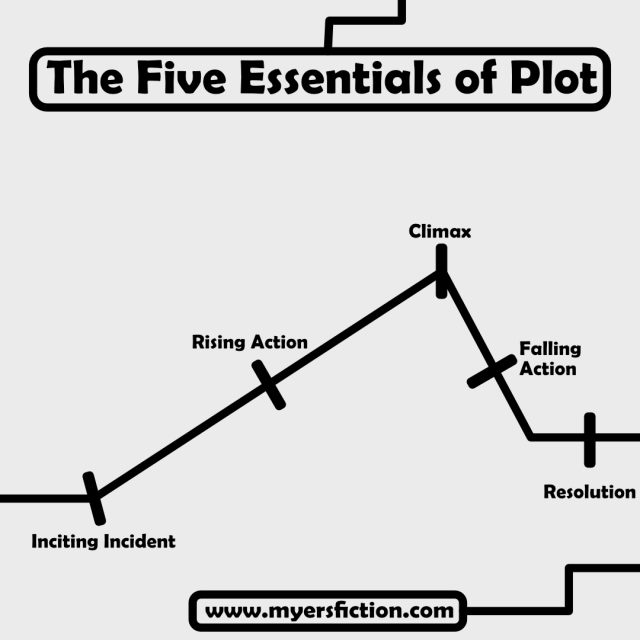
Analyze Critical Moments
- Identify pivotal scenes that could dramatically alter the storyline, focusing on moments that serve as turning points for character development, shifts in plot direction, or revelations that impact the overall narrative arc significantly.
- Examine how character decisions create narrative momentum, influencing the plot’s progression and shaping the dynamics between characters, ultimately leading to unforeseen consequences and plot twists.
Structural Considerations
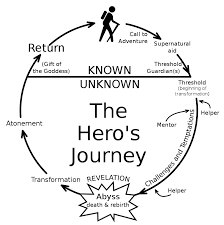
- Assess your narrative framework (Freytag’s Pyramid, Hero’s Journey) to ensure that the structure of your story is effectively capturing the essential elements of tension, character development, and resolution crucial for audience engagement and emotional impact.
- Ensure consistent story progression throughout the narrative, maintaining a clear flow and development that engages the reader effectively.
- Verify that critical plot points are effectively developed throughout the storyline, ensuring that each key event consistently builds upon the previous ones and leads logically to the resolution.
Example Deep Dive: In A Game of Thrones, Catelyn Stark’s decision to capture Tyrion Lannister demonstrates how a single moment can set off a complex chain of narrative events. Each decision creates its own set of narrative “dominoes”—some obvious, some subtle.
2. Characterization
Character Development Strategies

- Create multi-dimensional characters that feel authentic by developing their backstories, motivations, and flaws, ensuring they resonate with the audience on a deeper level.
- Ensure characters evolve naturally throughout the story, developing their personalities and motivations in a way that feels authentic and resonates with the audience as the narrative progresses.
- Develop backstories that inform character motivations, detailing significant events, relationships, and personal struggles that shape their actions and decisions throughout the narrative.
Memorable Character Creation
Look to compelling characters like:
- Kaz Brekker (Six of Crows): Complex motivations and psychological depth, including his traumatic past that shapes his actions, his intricate schemes to achieve his goals, and his struggles with trust and loyalty toward his friends and allies, all of which add layers to his character and make him a compelling anti-hero.
- Vin (Mistborn Trilogy): Character growth through challenging circumstances, evolving from a street urchin with deep-seated trust issues into a powerful Mistborn, embracing her identity and responsibilities while forging critical alliances.
Character Exploration Techniques
- Conduct “off-screen” character interviews to delve deeper into their backgrounds, motivations, and personal challenges, exploring how these elements shape their actions and relationships within the story.
- Complete personality tests from your character’s perspective to gain deeper insights into their motivations, fears, and desires, which can enhance the authenticity of their portrayal and development in your narrative.
- Explore both complementary and contrasting character elements that help to create dynamic interactions and enhance the narrative depth of the story.
3. Revision Note-Taking
Effective Note-Taking Approach
- Document insights as you read your draft, taking note of key themes, relevant quotes, and any thoughts that may arise during the process to enhance the overall quality of your writing.
- Capture moments that interrupt your reading flow, whether they are distractions from the outside world or thoughts that suddenly surface in your mind, and take note of them for future reflection or exploration.
- Be selective about which notes you incorporate into your work, ensuring that each one adds significant value and relevance to your overall message and making certain that the final product reflects a coherent narrative.
Insight Preservation
- Treat your notes like puzzle pieces, intricately designed to fit together in a way that reveals the bigger picture of your thoughts and ideas.
- Some notes provide a “handle” or a “cup” toward your final narrative, serving as both reference points and foundational elements that help to shape the structure and flow of your story.
- Don’t discard ideas—store them for potential future use. Even if an idea seems irrelevant or impractical at the moment, it may serve as inspiration for a future project or solution that you might encounter.
Practical Revision Workflow
- Complete first draft without self-editing
- Allow time between writing and first revision
- Read the entire manuscript
- Identify plot inconsistencies
- Assess character arcs
- Refine structural elements
- Incorporate meaningful notes
- Repeat the process
Philosophical Approach to Revision
View revision as your characters re-experiencing their journey, allowing them to navigate through the pivotal moments that shaped their lives. You now have a more comprehensive understanding of their past, present, and potential futures, each layer revealing new intricacies and motivations behind their actions. As you delve deeper into their emotions and conflicts, you uncover motivations that were once obscured, leading to richer character development.
Each revision brings you closer to the story’s true essence, helping you to articulate the themes that resonate most profoundly with your audience, ultimately creating a more compelling narrative that envelops readers in a tapestry of experiences they can’t help but connect with.
Conclusion
Revision is where good writing becomes great writing, transforming initial thoughts into polished narratives. Embrace the process of revising, allowing yourself the time to reflect on your work, and be patient with yourself as you navigate the challenges it presents.
Remember that every draft brings you closer to the story you want to tell, revealing new layers and deeper meanings that may have remained hidden in the first iteration. As you refine your ideas, consider the rhythm of your prose and the strength of your characters, ensuring that each revision serves to enhance the clarity and impact of your message.
Through this iterative journey, you can cultivate a richer, more engaging experience for your readers, ultimately delivering a piece that resonates on multiple levels.
Discover more from Kenneth W. Myers
Subscribe to get the latest posts sent to your email.
 Kenneth W. Myers
Pingback: Know Your Editing Approach – Myers Fiction