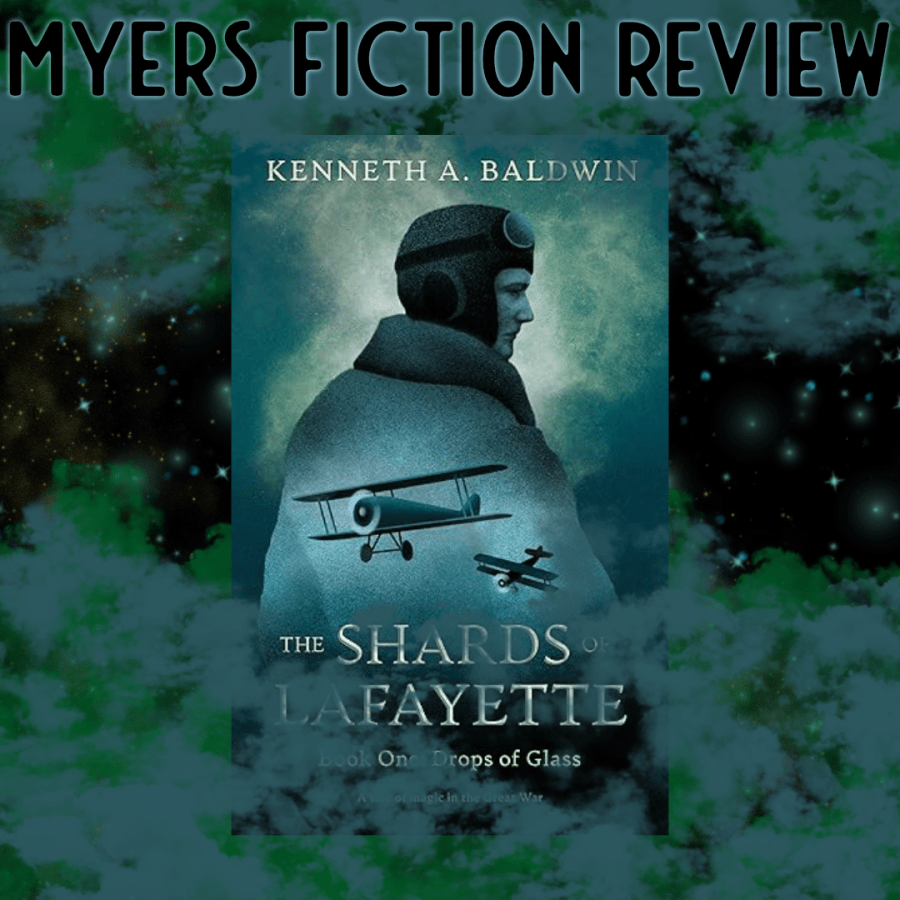
A Myers Fiction Review: Drops of Glass (Shards of Laffayette Book 1)

Marcus is one of the best pilots in the force, but with an empty scorecard. Supposedly cursed, he hasn't shot down a single enemy plane. When he's paired with Jane, a mechanic who uses 'enhanced repair techniques,' they're pulled into a secret mission that could change everything—if they survive

Character Arcs: Aligning Personal Growth with Plot

Character arcs become powerful when aligned with plot. External events should trigger internal responses, creating causality where characters don't just experience the plot—they're shaped by it. This symbiotic relationship between internal and external conflict forges the emotional connection readers seek, transforming mere events into profound, resonant storytelling experiences.

Myers Fiction July Newsletter

The traditional Hero's Journey doesn't quite fit modern speculative fiction. When your hero navigates fractured realities instead of ordinary worlds, faces cosmic mentors who mislead rather than guide, and returns with complex truths rather than simple wisdom, you need a fresh approach. Here's how to adapt Campbell's monomyth for other worlds.

Myers Fiction Review: Dragon Day by Bob Proehl

Dragon Day gets a new definition in literature thanks to Bob Proehl, brought forward with less magic and more realism. The story's goal is understanding initial human-dragon interactions so the world may survive. Set in our modern world, it shows how human problems impact challenges when new forces enter our reality.

Subplots: Adding Depth to Your Main Story

Subplots influence the reader's experience like spices in a meal. A story can still be enjoyable without them, but something essential will be missing. Without the Dursleys, Draco Malfoy, or the rich world-building subplots, Harry Potter might have been just another story about a wizarding school.