

- Introduction
- Understanding True In Medias Res: Beyond Action for Action’s Sake
- Choosing Your Entry Point: Finding the Perfect Moment to Begin
- Orientation Without Information Overload: Keeping Readers Grounded
- Writing Exercise: The Aftermath Opening
- Conclusion
- Additional Resources
Introduction
In the worlds of fiction and film, one tool is used so often that it can feel like a cliche. Starting the story in medias res is a concept understood by most people, even if they aren’t Authors of Tomorrow like you or I. The reason it’s so recognizable and widely uses is its universal appeal for the dramatic. Look at these two story snapshots below and let me know which opening has you more hooked.
- Billy and his friends set up their tents in the hidden campsite that Johnny had found last summer. Having saved all their allowance for candy and soda, they felt like kings of the woods with no threat to their world.
- The boy pulled his hand from his face as blood oozed from the claw marks that shredded his once smooth face. His night of camping with his friends hadn’t meant to end like this.

The second opening offers the sense of starting the story somewhere in the middle. It tells the readers, hey, here’s a piece of something interesting, and then kicks them back to the opening of the story. Hooking your readers is one of the greatest challenges as an author, especially when they aren’t used to your writing style. Starting a story off in medias res offers you and the reader a chance to jump in with both feet.
You’ll notice that the scene, while showing the aftereffects of violence, doesn’t use an explosion or a chase scene. In medias res doesn’t require anything flashy, but something memorable enough to maintain reader interest until they catch up with the plot point.
Today we’ll talk about understanding what true in medias res is, finding your perfect moment to begin, and how to orient your readers to the necessary information without overloading them.
Understanding True In Medias Res: Beyond Action for Action’s Sake
True in medias res is more than a quick adrenaline hit. It’s not about throwing readers into a confusing car chase just for the sake of momentum, it’s about starting in a moment that already matters. When you use it well, you give readers just enough context to pull them in while also making it clear why you began there instead of at the beginning.
The key is starting when something important is already happening, whether that’s an emotional crisis, a conversation that changes everything, or a discovery that reshapes the story.
Let’s shift the focus from flashy action to emotional impact.
When your in medias res opening leans into emotional tension instead of surface-level spectacle, you move from a scene that’s loud to a scene that’s meaningful. Rather than car chases and explosions, it becomes about confrontation, decisions, and consequences. These scenes work best when they reveal internal conflict right away, conflict that ties into the heart of the story.
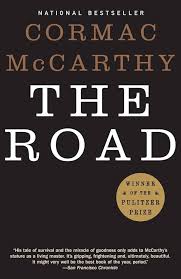
You can see this in The Road by Cormac McCarthy. The book starts with a father and son already deep into their journey across a ruined landscape. They’re facing real danger, but what makes the scene powerful is the emotional weight: the father’s fear, his love for his son, and the uncertainty that shapes every choice.
The Transformation Principle
Effective in medias res opens when the character’s world is already shifting. This kind of opening shows immediate challenges the character has to respond to, nothing is settled, and they’re already in motion. It stands apart from the typical hero’s journey, which often starts in a well-established world. In those stories, the character may or may not be thinking about change yet.
In medias res, especially when tied to the transformation principle, starts with the character already facing a moment that forces growth. They’re thrown into conflict that actually comes from later in the story, and in that moment, they realize they haven’t brought everything they need: skills, tools, or emotional clarity. That gap sets up a strong foundation for change.
Choosing Your Entry Point: Finding the Perfect Moment to Begin
As with any story, starting one in medias res requires you to choose the optimal starting point for the journey’s opening. Remember the example in the introduction? This shows you a critical moment where the story starts with injury, fear, and questions. Instead of focusing on the attack, I focused on the aftermath to offer a more visceral processing and to stay away from the gimicky slasher sequence to hook the readers. It shows the readers that there’s story before and after the opening segment that they’ll want to stick around for.

There are a few different strategies we’ll go over, but there’s one approach that’s always stuck with me anytime I begin a new book. In Story Genius by Lisa Cron, she recommends you write the two or three key scenes that embody the character’s lie, and how it was formed, before you write the first scene of your book. This ties in with the concept known as the late arrival strategy. We’ll cover this in just a moment. But by seeing what brought your character to this point, you’ll be able to keep that third rail of the story (a concept from Cron’s book) in the back of your mind as you write each scene. This will also help you find the best point to start your story.
The Late Arrival Strategy
The late arrival strategy is a lot like not being the first person to a party. (Which I have to admit is my greatest flaw.) Bringing your readers in too early, before the true story begins, can make them feel out of place and uncomfortable. The late arrival strategy in regards to in medias res sets your opening scene as close to the climax as possible while allowing room for meaningful development.

You’re giving your readers the briefest glimpse of the future before whisking it away and forcing them to turn essentially to page 1. The late arrival strategy is best used by focusing on the highest moment of suspense before your climax. This may not always be the easiest to find, but taking the time to make sure you’ve progressively increased your suspense/cost/return ratios allows you to identify this key moment. This approach allows you to focus on your climax and core message of your story.
The Catalyst Method
The Catalyst Method is exactly what it sounds like. You begin with a specific incident that kicks everything into motion, something that leaves no room for turning back. Instead of front-loading the story with world-building or backstory, you weave those elements in naturally as they become relevant. This approach trims the slow buildup that often comes with traditional openings. It drops readers straight into the story, forcing them to adapt to the world on the fly. There’s no extended onboarding period, just a clear message: This is the world, and if you want to keep up, you’ll have to learn fast.
But that also ties into a possible issue if the catalyst method isn’t implemented well. You may leave some readers in the dust. What you’re looking for outside of the specific incident is the way you can infuse backstory and filter in the rules of the world to the reader without overloading them.
Whether you use the late arrival strategy, the catalyst method, or another approach, the goal is to bring your reader in at the best moment to hook them. Every story will be different, and you can always break the rules as long as you understand the rules you’ve broken. If you use an unorthodox method to get in medias res, drop them in the comments below! I’d love to talk shop!
For now, let’s shift to the final topic today, and something mentioned earlier. How do you execute in medias res while keeping your readers grounded?
Orientation Without Information Overload: Keeping Readers Grounded
Info-dumping is one of the most despised concepts in the writing and reading world. You’ll find full articles on how not to do it. Yet, we’re talking about starting your story so far forward in the timeline that the reader will be on the back foot and trying to catch up. So, how do you get the information to the reader without overloading them?
The Drip-Feed Technique
Your greatest asset when introducing information to readers is your character. Characters offer a multifaceted way to bring key details to the page, through action, dialogue, and sensory perception. Using characters to provide context helps you avoid the dreaded exposition dump that can stall narrative momentum.
To execute the drip-feed technique effectively, focus on the essential elements of each scene and determine what information the reader needs to know, especially those details that can do double duty.
Character Actions
Actions reveal more than personality; they reflect societal norms, cultural influences, and personal history. Think about how you’d respond to a stressful situation based on your upbringing. Now imagine someone from a completely different background responding to the same moment. What does that contrast say about the world they live in?
Character Dialogue
Dialogue doesn’t just advance plot or shape voice, it’s a powerful tool for world-building. A passing comment about a banned book, a throwaway line about curfew, or a mention of a lost border war can all deepen the setting. Keep it light, avoid info-dumps, and let small remarks carry big weight.
Sensory Details
When one character says something smells like a cow pie, and another says it smells like a city sewer, we’re getting more than a scent. We’re learning about geography, experience, maybe even social class. Sensory language reveals cultural context and worldview, its subconscious, but potent.
Each of these techniques invites the reader to decode the world organically, rather than through blocks of explanation. The goal isn’t just to inform, it’s to immerse.
Strategic Anchoring
Another technique is strategic anchoring, tying in familiar elements, clear relationships, and recognizable moments that give your readers something to hold onto. When dropped into an unfamiliar world, readers (like real people) instinctively search for handholds, something recognizable to steady themselves. Strategic anchoring helps them find their footing before they consider putting the book down.
Familiar Elements
These can range from genre expectations to recognizable references. In a science fiction novel, for instance, readers may anticipate advanced technology that plays a critical role in the story. You might also nod toward familiar companies, brands, or products, even under alternate names. This kind of shorthand can quickly orient the reader, though relying too heavily on real-world references can date your work as brands fade from relevance.
- In Neuromancer by William Gibson, terms like “console cowboy” and “cyberspace” are new but placed in familiar tech-savvy contexts, tapping into ’80s hacker culture to ease the leap into cyberpunk.
Clear Relationships
Introducing the protagonist alongside a best friend, rival, love interest, or close family member can give the reader an emotional foothold. Relationships offer a lens for understanding your main character—and a signal to the reader that this other person matters. It also humanizes your protagonist from the outset, though it’s important to develop and justify that relationship in subsequent scenes.
- In Ender’s Game, we meet Ender through the lens of his siblings, Valentine’s warmth and Peter’s cruelty immediately position Ender emotionally and morally.
Recognizable Moments
These moments signal where we are in the narrative arc, like echoes of story structure. A flash-forward to a “dark night of the soul” moment, for example, immediately creates intrigue by contrasting high-stakes desperation with an ordinary start. Readers are drawn in by the question: How did we get here from there?
- The Road by Cormac McCarthy starts with a father and son journeying through a burned wasteland, but their love and fear are instantly recognizable, grounding the reader emotionally.
Tip: Anchoring doesn’t mean playing it safe, it means giving readers just enough to feel grounded, even if the ground itself is shifting.
Writing Exercise: The Aftermath Opening
Time: 15 minutes
Instructions:
- Think of a significant conflict or dramatic event from a story you’re working on (or make one up).
- This could be an argument, an accident, a betrayal, a discovery, or any pivotal moment.
- Write down the basic event in one sentence.
- This could be an argument, an accident, a betrayal, a discovery, or any pivotal moment.
- Now, instead of writing the event itself, write the scene that happens immediately AFTER it.
- Focus on the emotional and physical aftermath.
- What does your character see, feel, or think in those first moments after everything has changed? Start with a specific sensory detail or physical action.
- Focus on the emotional and physical aftermath.
- Write the opening paragraph of your story, beginning with this aftermath moment.
- Use the “drip-feed technique,”reveal information through character actions, dialogue, or sensory details rather than exposition.
- Let readers wonder what just happened while giving them just enough to stay engaged.
- Use the “drip-feed technique,”reveal information through character actions, dialogue, or sensory details rather than exposition.
- Write 2-3 more sentences that hint at the larger story without explaining everything.
- Focus on the emotional stakes rather than plot details.
- What does your character want or fear most in this moment?
- Focus on the emotional stakes rather than plot details.
- Read your opening back.
- Circle one detail that makes readers curious about what came before this moment.
- This is your hook, the question that will pull them forward into your story.
- Circle one detail that makes readers curious about what came before this moment.
Bonus Challenge: Try this exercise with the same event but from three different characters’ perspectives. Notice how the aftermath changes based on who’s experiencing it.
Conclusion
Starting in medias res isn’t about shortcuts or gimmicks, it’s about trust. Trust in your readers to follow you into uncertainty, trust in your story to carry them through confusion, and trust in yourself to guide them back to solid ground. When you master this technique, you’re not just grabbing attention; you’re creating a partnership with your reader from the very first line. They become co-conspirators in unraveling the mystery of how we got here, and more importantly, where we’re going next.
The best in medias res openings don’t just hook readers,they transform them into active participants in your story’s journey. So take that leap, drop your readers into the deep end, and watch them swim toward the answers you’ve promised to deliver.
Additional Resources
- Books:
- “Hooked” by Les Edgerton (opening scenes and in medias res)
- “The First Five Pages” by Noah Lukeman (manuscript evaluation with opening focus)
- “Into the Woods” by John Yorke (story structure and entry points)
- Articles:
- “How “In Medias Res” Actually Works (& When to Use It)” (September C. Fawkes)
- “How Much Should You Explain in a Story’s Beginning?” (Helping Writers Become Authors)
- “Tips and Examples of In Medias Res in Writing” (MasterClass)
Previous Post: Backstory: Weaving the Past into Your Plot
Next Post: August Newsletter
Next Writing Post: Flashbacks and Flash-Forwards: Playing with Chronology
Discover more from Kenneth W. Myers
Subscribe to get the latest posts sent to your email.
 Kenneth W. Myers