- Introduction
- Understanding the Symbiotic Relationship Between Internal and External Conflict
- Mapping Character Growth to Key Plot Points
- Creating Authentic Character Transformation That Serves the Story
- Writing Exercise: The Mirror Moment
- Conclusion
- Additional Resources
Introduction
Character arcs are a powerful tool when aligned with the plots of your story. It ties into the reason we, and others, read. The experiences the character goes through and how they impact them, acts as a placebo experience for the reader. While the reader may never have to kill an entire alien race, they can read about Ender in Ender’s Game by Orson Scott Card to wonder how they would feel in that situation. Without character arcs plot is just another series of events.

While the plot drives the story forward, the character arcs provide that emotional depth and connection readers are looking for. Reading is a symbiotic relationship between the reader and the book. The one is useless without the other as without book’s readers are left to their own experiences, and without the reader the book becomes just words on a page. The struggle for the writer is to weave personal transformation with external events without them becoming trite.
Our goal today is to better infuse the character arc with the plot to allow for a better symbiosis between reader and book. We’ll begin with understanding this symbiotic relationship between internal and external conflict, which will build the base for plot and character arc. Next, we’ll show you how to map your character’s growth moments in critical plot points. This adds depth to your plot and helps keep the readers engaged and turning pages. Finally, we’ll focus on creating authentic characters that support your story. With this, you’ll find your readers more willing to agree to the symbiotic relationship with your book.
Understanding the Symbiotic Relationship Between Internal and External Conflict
Understanding the symbiotic relationship between a book and its reader begins with internal and external conflict. I say book and not author because it’s the book that stays with the reader long after the final page, not the person who wrote it. This distinction is important. It marks the beginning of a healthy creative detachment: the process of shaping your story into something that resonates beyond your own experience.
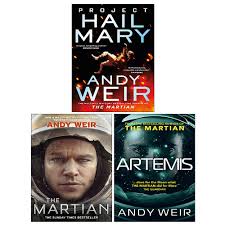
At a ProWritingAid conference, author Andy Weir shared that each of his lead characters reflects a part of himself. Some readers loved those characters; others didn’t. That’s the nature of storytelling. Once your book is in the world, it’s no longer just about you, it’s about the connection it forms with the reader. And one of the most powerful ways to forge that connection is through the interplay of internal and external conflict.
External plot events should trigger internal character responses. This creates causality, a story where the character doesn’t just experience the plot, but is shaped by it. While you might initially build plot and character arcs as separate threads, by the third or fourth draft, you should be weaving them into a single, cohesive cord.
So how do you do that?
Think of this symbiosis as a mirror principle: the external plot reflects the character’s internal conflict, and vice versa. When your story reaches a critical moment, like the “dark night of the soul,”your character should also be at their lowest point, overwhelmed by internal struggles that feel impossible to overcome.
This mirroring is especially powerful when a character’s internal flaw is tested by external stakes. For example, a character afraid of commitment might be forced to choose between two divergent paths. In How to Train Your Dragon, Hiccup’s internal journey of self-acceptance is mirrored by his repeated failures to conform to Viking expectations. Early in the story, his attempts to act like a traditional Viking lead to disaster. But when he finally trusts his instincts and bonds with Toothless, he not only discovers who he truly is, he also finds a new way to resolve the external conflict between Vikings and dragons.
Mapping Character Growth to Key Plot Points
The great thing about mapping your character’s growth alongside key plot points is that it’s like hitting two targets with one arrow. Just as a plot has its pivotal moments, so does a character arc. Now, we’re going to build on the concept of layering, this time applying it to the directed conflicts of both character and plot.

When a character’s arc aligns with the plot’s progression, it strengthens the entire story. Each reinforces the other, creating a more cohesive and emotionally resonant narrative.
The Character Arc Framework
Aligning character beats with story structure beats may not always seem so straightforward. There’s probably a unique character you’re working on that just hasn’t been fitting into the story yet, but they’re critical to the climax. Now you’re wondering if you’ve wasted all this time in developing the character. In reality, your beats might just not be aligning.
Begin with pulling your two arcs, the plot and the character, and see what you can define them as. Is the character arc positive, negative, or flat? Is your plot progressive, nonlinear, or parallel timelines? Once you have these defined, you can define the different key points on each arc, then try to line them back up as you integrate them.
Let’s work with a positive character arc on a progressive plot line. The inciting incident is where the story really kicks off and both the story and character begin their journey to the end goal of the story. The inciting incident is where a change larger enough to be a catalyst breaks the story from the normal to the unknown. While the inciting incident can be a person, place, event, or thing, the character arc’s starting point is the first realization that everything they’ve known before won’t be enough to continue. By setting your inciting incident with this first realization, you’ll build a stronger connection for the readers to buy into the story.
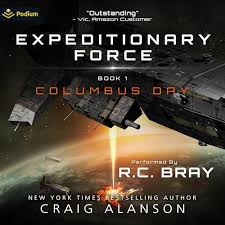
You can find a great example of this in Expeditionary Force: Columbus Day by Craig Alanson when the inciting incident of the Ruhar coming to Earth is also when everything changes for Joe Bishop. This not only creates a memorable moment for the reader but also sets up the ever-growing conflict that will drive Joe Bishop through eighteen books, as of current writing.
I feel like I should do a completely separate post to cover all the overlaps, but that should get you a good idea to get started. Let me know if you’re interested in more of a breakdown of the plot points, midpoint, and climax with the character arcs.
Creating Authentic Character Transformation That Serves the Story
A character’s transformation should feel like an organic necessity of the story rather than a checklist of changes. Becoming a chess master is impressive, but if that skill doesn’t contribute to slaying the dragon, the growth loses its impact. The key to creating authentic transformation is ensuring that each stage of development directly affects the character’s ability to navigate the plot. If they have to play chess against the dragon, sure, that could work—but let’s explore how their mastery translates into battle tactics instead.

Character and plot should evolve together, but forcing alignment without justification leads to artificial growth. Readers won’t buy into a character who wakes up one morning an expert strategist just because the plot demands it. If your chess player needs to fight a dragon, their journey must build toward that challenge in small, meaningful steps. Surprisingly, chess and combat share core principles, training, planning, strategy, and adaptation, offering a natural framework for progression. By weaving these elements through the plot, each experience propels the character toward mastery of both.
Resistance fuels believable growth. No transformation happens without setbacks, and your chess-playing dragon slayer shouldn’t instantly bridge the gap between the two disciplines. Let them focus on chess, dismissing combat training at first, only to fail in their first real battle. Through trial and error, they’ll come to understand that intelligence alone won’t secure victory. By shifting their focus back and forth, adjusting their approach based on successes and failures, they ultimately refine their skills into a cohesive strategy just before the final confrontation.
Consistency is key to keeping transformation authentic. Mastery of chess and dragon-slaying shouldn’t strip a character of their core identity. They can grow stronger, wiser, and more capable, but abrupt personality shifts that conveniently smooth over the climax will feel unearned. Each plot point should leave a lasting mark—if they reach the story’s end unchanged, the reader will feel cheated.
Writing Exercise: The Mirror Moment
Setup (2 minutes): Choose a character from your current work-in-progress or create a new one. Write down:
- One internal flaw or fear they carry
- One external goal they’re pursuing
- One specific scene you need to write (or rewrite)
Exercise (10 minutes): Write a scene where your character faces an external obstacle that directly mirrors their internal conflict. For example:
- A character afraid of commitment must choose between two paths with no turning back
- Someone who struggles with self-worth must defend their ideas in front of critics
- A character who avoids responsibility gets placed in charge during a crisis
Focus on showing how the external pressure forces them to confront their internal struggle. Don’t resolve it, just let them feel the weight of both conflicts simultaneously.
Reflection (3 minutes): Read what you wrote and ask:
- How did the external conflict reveal something about the character’s internal state?
- What specific moment showed their growth or resistance to growth?
- If this were part of a larger story, how would this scene change them going forward?
Bonus Challenge: Rewrite the same scene but flip the mirror—start with the internal conflict and let it drive the external action instead.
Conclusion
The magic of storytelling lies not just in what happens to your characters, but in how those events fundamentally change who they are. When you master the art of weaving character transformation with plot progression, you create more than just a story—you forge an emotional covenant with your reader.
Every external challenge becomes a mirror for internal growth, every plot twist a catalyst for character evolution. This symbiotic relationship between plot and character arc transforms your narrative from a simple sequence of events into a profound exploration of human nature. Your readers don’t just want to know what happens next; they need to understand how your character will emerge from the crucible of your story. Give them both the journey and the transformation, and they’ll follow you anywhere your imagination leads.
Additional Resources
- Books:
- Articles:
- Videos:
Previous Post: July Newsletter
Previous Writing Post: Subplots – Adding Depth to Your Main Story
Next Post: Plot-Driven vs. Character-Driven Stories: Finding the Balance
Discover more from Kenneth W. Myers
Subscribe to get the latest posts sent to your email.
 Kenneth W. Myers