
Introduction
Sometimes the things that readers remember most are the events not directly related to the main story. These smaller threads that gain almost a cult following are subplots. The reason they’re so beloved by many is that they can transform a single strand of storyline into a powerful cord to resonate with readers.

You can think of subplots as the stories that go on behind closed doors. Yes, while the main big story may be the adventurers going to defeat the big bad, the subplots are the events that make it more than just another Hero’s Journey. The use of subplots allows for layering in character building, world-building, and conflicts unrelated to the main story. This gives your book’s world a more lived in feel and helps readers better imagine the fictional landscape.
Today we’ll work to build your understanding of the purpose of subplots, types of effective subplots, and integrating them with the main plot.
The Purpose and Power of Subplots
Subplots, to me, have always been the story behind the story, the events going on behind the main scenes of the stories that the readers get glimpses of. Or it would be a small section of the story that acts as a support of the rest of the story. For example, the main plot is to get the golden fleece, but one of the subplots is assembling the team to retrieve the golden fleece.
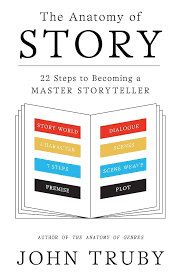
As I was reading John Truby’s The Anatomy of Story he states that, “a subplot is used to compare how the hero and another character approach generally the same situation.” I’m curious about what way you’ve approached subplots. What’s your definition?
For the purpose of today’s conversation, let’s define the main plot as the central storyline that drives the narrative.
A subplot is a secondary storyline that supports, contrasts, or deepens the main plot.
Subplots influence the reader’s experience like spices in a meal. A story can still be enjoyable without them, but something essential will be missing. The chances of receiving glowing reviews for a book without the ‘spice’ of subplots are slimmer than most authors would prefer. Readers love subplots because they offer more of the world to explore and connect with. Without the Dursleys, Draco Malfoy, or the rich world-building subplots, Harry Potter might have been just another story about a wizarding school. These layers are what make the world feel alive and unforgettable.
Multiple story threads deepen reader investment. Beyond the main plot, subplots offer additional story questions, sometimes even more compelling depending on the reader’s background or interests. Take Cassandra Clare’s Mortal Instruments series, for example. The popularity of her spin-offs and companion series isn’t just a case of an author self-publishing side stories. It reflects how well she wove subplots into the main narrative, so much so that readers and publishers alike wanted to explore those threads further. Her world feels expansive because the subplots were rich enough to stand on their own.
The purpose and power of subplots come through the reader’s experience and the depth of the world you create. It’s important to find the right subplots and to ensure you track them though, because forgotten subplots are one of the most common reader frustrations. Before we get into the implementation of subplots, let’s look at the types of subplots and how they work.
Types of Effective Subplots
Subplots may seem straightforward, but many writing guides agree: they’re one of the most commonly misused literary tools. That might be because we often treat them too simply, without giving them the thoughtful planning they deserve. I know this was a challenge for me in Extoria, whether it was subplots being absent altogether or just poorly executed. So let’s make sure you don’t repeat my mistakes. Let’s build a solid understanding of what makes subplots effective. We’ll explore relationship subplots, character development arcs, mirror/contrast subplots, and complementary threads. And feel free to expand this list based on what works best for your genre or story style.
Relationship Subplots (romantic, familial, friendship)
Relationship subplots explore the dynamics between friends, family members, and romantic partners. They deepen the emotional stakes of the story and enhance the reader’s understanding of the characters by revealing how they connect, clash, or grow through these relationships. These subplots are great for characters who may not always come across as likeable or who often take actions that the general reader may not agree with.
If you’ve found that your character is a dark shadow, in a dark room, hiding in a dungeon, then you may need a relationship subplot to draw them out for your readers.
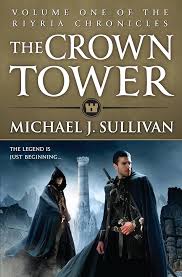
In The Riyria Chronicles by Michael J. Sullivan, the relationship between Royce and Gwen serves as a crucial subplot, one that deeply impacts Royce’s life but remains separate from the various jobs he undertakes with Hadrian. Through his interactions with Gwen, we see a softer, more compassionate side of Royce, contrasting with his outward persona as a cold, calculating thief and assassin seemingly unaffected by the world around him.
Character Development
Subplots allow both the author and the reader to explore different facets of a character’s personality that might not emerge through the main storyline. Think of the people in your life and the “subplots” you’ve discovered about them. Maybe someone you’ve worked with for years only ever showed you their professional side—until one day, you learn they’re a musician, a caregiver, or a world traveler. That new layer either changes or deepens your perception of them. That’s exactly how subplots work in character development.
Taking the time to explore a subplot gives your reader a fuller understanding of the character by challenging them in ways the main plot doesn’t. We know what a hero might do when facing a three-headed dragon—but what happens when they have to go home and confront the father they haven’t seen in years?
That’s where growth happens. The first interaction might be filled with yelling, avoidance, or conflict. But by the end of the subplot, that relationship could evolve into reconciliation, bitter acceptance, or even a quiet peace with the past.
Mirror/Contrast Subplots
The mirror or contrast sublots reflect or oppose the main plot or character arc in an impactful way. It’s like holding a mirror up to your protagonist, or showing the flawed approach, to highlight their strengths and weaknesses.
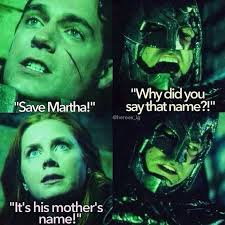
The mirror subplot often follows a secondary character going through a similar situation to the main story/character arc to reinforce the theme or emotional journey. Empathy is a great tool for connection between characters, that’s why so many stories end up involving mirror moments between the hero and antagonist. The mirror subplot is one that can easily be misconstrued as a cop out by fans instead of a deeply emotional moment. I’m thinking of the Batman v Superman movie where the conflict between the two is their mother’s name “Martha.” While in a technical sense, the use of the mirror moment of what that name reminds both characters of is correct, it came across as a cheap resolution in the film.
The goal is to use the mirror subplots as similar enough to create the empathy, but not so much that it’s just another carbon copy of the same story. The subplot should reflect the main character’s journey in a way that adds depth and contrast, not redundancy.
Contrast subplots oppose the main story or character arc. These are often shown as the dark side of the story, but in a destructive arc can be the light side of the story. The purpose of the contrast subplot is to highlight the protagonist’s growth, flaws, or decisions by comparison. This comparison shows how two characters stemming from similar situations can end up in completely different places.
A great example of a contrast subplot appears in Jane Austen’s Pride and Prejudice, through the choices of Elizabeth Bennet and Charlotte Lucas. Elizabeth refuses Mr. Collins’s proposal because she sees no love between them, valuing emotional connection over social convenience. When Charlotte later accepts his proposal, it highlights the societal pressure on women to prioritize financial security over personal happiness. This contrast not only underscores Elizabeth’s independence and values but also deepens the reader’s understanding of the limited options available to women in that era.
Integrating Subplots with Your Main Story
Integrating subplots into your story is one of the most challenging aspects of writing because it requires a subtle balance with the main plot. While each subplot serves a unique purpose, certain principles apply to all: they should work as layered extensions of the narrative, adding depth, intrigue, and emotional resonance while ultimately reinforcing the core themes of the main story.
Weaving subplots naturally into the main narrative enhances the depth and complexity of the story. When done well, subplots help readers absorb new layers without feeling disconnected. Start with character connections—subplots should involve central characters whose side journeys shape their development and influence their choices in the core plot.
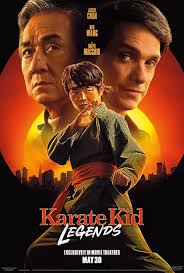
A great example is Karate Kid: Legends (2025), where Li’s Kung-Fu journey is unexpectedly shaped by an ex-boxer. Their dynamic not only allows Li to share his passion but also challenges his confidence and growth in pivotal moments. This subplot intertwines with the main story, reinforcing themes of mentorship, resilience, and personal evolution.
A well-integrated subplot doesn’t just exist alongside the main story—it actively drives the protagonist’s choices and internal conflicts, adding layers of meaning without overshadowing the central narrative.
Next, you’ll want to check your subplots for theme alignment. It’s time to be honest with your subplots, are these just a fun tangent? Or do they add to the story? Theme, while sometimes portrayed as an esoterrical and undefinable thing, is at its most basic, the purpose of your story. What life lessons are you trying to teach your reader outside of allowing them to be entertained. Subplots should echo or contrast with the central themes of the plot.
James S.A. Corey’s The Expanse series explores themes of political intrigue, survival, and human nature. Subplots emerge through key characters like Amos, who grapples with the tension between humanity and pragmatism in extreme situations. Some of his choices seem entirely logical for survival, but others force readers to reconsider their understanding of human nature.
A pivotal example is Amos killing Cortázar, a scientist obsessed with the protomolecule. Amos makes a purely pragmatic choice, eliminating Cortázar without hesitation or regard for conventional justice. This directly clashes with James Holden’s moral code, which asserts that everyone deserves the chance to fight for their survival. Their contrasting philosophies underscore the novel’s exploration of morality in unforgiving environments.
Theme is a powerful narrative tool, and subplots can be used to deepen or contrast its meaning. Explore your subplots carefully, identify which ones reinforce your themes, then amplify their impact to create a richer, more cohesive story.
Writing Exercise: The Three-Layer Story
Phase 1: Story Foundation (3 minutes)
Write down your main plot in 2-3 sentences. If you don’t have a current project, use this prompt: “A young librarian discovers a book that changes reality when read aloud.”
Your main plot:
Phase 2: Character Web (4 minutes)
List your main character and identify three other important people in their life:
- Someone they love (family, friend, romantic interest)
- Someone who challenges them (rival, mentor, difficult family member)
- Someone unexpected (stranger, enemy, unlikely ally)
For each person, write one sentence about their relationship with your protagonist.
Phase 3: Subplot Brainstorm (5 minutes)
Choose one of the three relationship types and develop a subplot using these prompts:
For Relationship Subplots:
- What secret does this person hide from your protagonist?
- What do they need from each other that they’re not getting?
For Character Development:
- What side of your protagonist does this relationship reveal?
- What growth must happen for this relationship to evolve?
For Mirror/Contrast:
- How does this person handle conflict differently than your protagonist?
- What choice will they make that your protagonist wouldn’t (or vice versa)?
Write 3-4 sentences describing this subplot.
Phase 4: Integration Test (3 minutes)
Answer these questions:
- How does this subplot connect to your main theme?
- At what point in your main story would this subplot create the most impact?
- What would your story lose if you removed this subplot entirely?
Conclusion
Subplots aren’t just extra storylines,they’re the secret ingredient that transforms good stories into unforgettable ones. When you master the art of weaving relationship dynamics, character growth, and thematic mirrors into your narrative, you create a world that feels authentic and alive. Remember, readers don’t just want to follow your hero’s journey; they want to live in your story’s world.
The difference between a book that gets put down and one that gets recommended comes down to those carefully crafted secondary threads that make readers feel like they’re discovering hidden treasures. So take the time to plan your subplots with intention, ensure they serve your themes, and watch as your single-strand story becomes a powerful cord that resonates long after the final page.
Additional Resources
Books
Articles
- Jane Friedman–”How to Skillfully Use Subplots in Your Novel”
- The Novelry–”Weaving the Plot: How to Write a Brilliant Subplot”
Videos
- How to Write Subplots – YouTube (Brandon McNulty)
- How to Write Subplots (WITH EXAMPLES!) | Fiction Writing Advice
Previous Post: Foreshadowing and Payoff – Planting Seeds for Future Plot Points
Next Post: Book Review – Dragon Day
Discover more from Kenneth W. Myers
Subscribe to get the latest posts sent to your email.
 Kenneth W. Myers