
- Introduction
- Background and Context
- Defining Story: The Fundamental Narrative Essence
- Understanding Plot: The Structural Framework
- Key Differences and Intersections
- Writing Exercise: Plot Vs. Story
- Conclusion
- Writing Update
- Additional Resources
Introduction
The difference between Authors of Tomorrow and other writers is that we take the extra step to understand our craft. Your willingness to read a post delineating the finer details of plot and story shows that you’re taking the steps to become an Author of Tomorrow.
Every writer has heard the terms “plot” and “story” used interchangeably, but they’re not the same thing. The general understanding of both has blurred the distinction between the words and changed how we think of them as one. Understanding the differences between plot and story can transform your writing and help you craft more compelling narratives.
Today, we’ll break down the essential distinctions between plot and story, explore some examples, and practice identifying each.
Background and Context
Narrative writing, particularly in fiction, has long grappled with the complex relationship between plot and story. Writers strive to keep their readers engaged through a well-crafted plot while maintaining a depth that provides emotional resonance. Characters are crucial; if readers forget them, they’re less likely to remember the story. Elevating a story through thematic exploration is essential. All these elements contribute to a great book, but they can sometimes get lost in the interplay between plot and story.
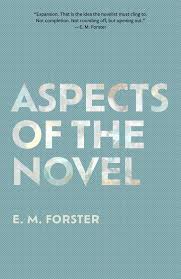
E.M. Forster was pivotal in distinguishing between plot and story, as seen in his work Aspects of the Novel. If you’ve been in a writing class, you might have heard the saying, “The king died, and then the queen died” is a story; “The king died, and then the queen died of grief” is a plot. The first is a sequence of events, while the second includes the cause-and-effect relationship. Although this distinction was established in 1925, it remains relevant in our contemporary stories.
Distinguishing between plot and story remains a critical skill for both emerging and established writers. Our modern world is surrounded by stories, and many readers understand the basic differences instinctually. They may not be able to put it into words, but Forster’s examples still resonate today.
Reader Types from E.M. Forster
- The Unwilling Reader: This type of reader is not interested in the story and reads only out of a sense of duty or obligation. They may struggle to stay engaged and often miss the deeper meanings and nuances of the narrative.
- The Willing Reader: This reader is open to the story and willing to engage with it. They are interested in the plot and characters, and they are more likely to appreciate the thematic elements and emotional depth of the work.
- The Active Reader: The most engaged type of reader, the active reader, interacts with the story on a deeper level. They analyze the plot, characters, and themes, and they often find personal connections to the narrative. This type of reader fully immerses themselves in the story and gets the most satisfaction from it.
Which reader are you? Do you know people who fall into the three different categories? I would recommend pushing past the strange language that was 1920s writing, and read Aspects of the Novel by E.M. Forster. It will help you build a good understanding and add to your overall library of knowledge.
Defining Story: The Fundamental Narrative Essence
Story seems like a simple term that we often define carelessly or assume we understand enough to discuss. With so many definitions of story, how can we truly focus on and study it? First, let’s explore why we need to study story. At its core, story is the emotional and thematic journey of your narrative. It is the reason your readers are drawn in and captivated, providing the depth and connection that makes your narrative resonate.
Definitions of Story
The Oxford English Dictionary defines story as “An account of imaginary or real people and events told for entertainment.”
Lisa Cron in Story Genius recommends ditching that definition and defines story as “whatever someone finds entertaining.”
John Truby in The Anatomy of Story states, “A story tracks what a person wants, what they’ll do to get it, and what costs they’ll have to pay along the way.”
There are many other definitions I could dig up for you, but let’s take a bit of each of these definitions and come up with the best definition that aligns with how we’ll look at story.
Story According to Myers Fiction
Story is the emotional journey that engages readers by exploring characters’ desires and the challenges they face. A story draws readers in emotionally, helping them connect with the characters’ struggles and successes. Ultimately, story keeps readers interested, offering entertainment and a better understanding of the human experience.
How many books have you read where you remember the characters more than the plot? The events that occur may not be perfectly executed, but the characters are so vividly realized that the story remains memorable. I have a guilty pleasure for the LitRPG series He Who Fights with Monsters by Shirtaloon. I’m not downing the author’s writing, and I’m only two books in, but I recognize that it’s not perfect. However, I keep coming back more for the characters and their journeys. This is because we’re tapping into fundamental human experiences, characters’ internal transformations, and the underlying meaning of the narrative. Creating your story requires treating it as a study in life, with the variables being your plot and genre elements. Consider what your story is really about, and what changes within the characters your readers can resonate with.
Understanding Plot: The Structural Framework
If the story is about the characters and how readers resonate with them, then plot is the structure that propels the story forward. Many discovery writers might think of plot as the anti-creativity monster, and to some extent, this can be true. However, it can also be the difference between eight drafts and thirty-two. The best way I’ve heard the plot described is that it sets the goalposts or checkpoints for a story. These are clear objectives that each section of the story works toward, helping readers know they’re on the right path.
The definitions of plot don’t vary wildly from writer to writer. Plot is the sequence of events that drives the narrative forward. From the examples I’ve used above and more that I’ve explored, the understanding of plot is that it’s the cause and effect of what happens, not the emotional journey. This is presented through external actions, chronological progression, and specific incidents that occur.
- External Actions: These are the visible outward actions that characters take to move the plot forward. They are crucial for maintaining momentum in the story and keeping the reader engaged. External actions create tangible outcomes and stakes, making the plot complex and interactive.
- Examples: A character breaking into a building to retrieve a vital document. A car chase resulting in a life-changing death. A heated argument leading to a crucial decision.
- Chronological Progression: This is the timeline of the plot—the sequence in which events unfold in the narrative. A linear arrangement allows readers to follow the story without confusion, though many stories are written non-linearly. These stories, however, still need to understand the linear progression of events to avoid plot holes.
- Specific Incidents: These are key events or moments in the story that significantly impact the plot and characters. Think of these as your checkpoints or goalposts guiding you from one cause and effect to another.
Plot is the “what happens” in your narrative, structured to create tension, conflict, and progression. Mastering your plot is the difference between having your reader turn page after page until the sun rises, and having them set your book down to read later. It sounds simple, but will take a lot of practice to reach the point where you’re writing at that level. That’s okay, because writing isn’t something we will ever be experts at—we will only find new ways to learn about our craft and develop those talents.
Key Differences and Intersections
As you can tell, you’ll find instances of stark contrast and intimate intersections as you work through both parts of your narrative. Plot and story work together and separately to create the balance between the covers of your book. Where plot provides the structure, the story fills the space with internal emotional landscapes. Plot is your box, and the story is the stuff you put into it.
Creating an effective narrative requires focusing on integrating plot events and character transformations. Align the elements of your story with your protagonist’s goals and motivations. If your plot reflects the trials, the protagonist must face to reach their need, you’ll have a much more compelling and naturally full story. You can also use internal and external conflicts to mirror the protagonist’s internal and external states.
One method often seen on television is the three-stage problem or solution. For example, if a character is trying to achieve something—like Ted Mosby trying to get a date—they will fail twice before succeeding on the third attempt. Compare this to the try-fail cycle or the cause-and-effect cycles found in fiction. How many times do the characters get what they want on the first try?
Writing Exercise: Plot Vs. Story
Practice understanding the difference between plot (external events) and story (emotional journey) by creating a multilayered narrative that explores both elements.
As always, the times are just recommendations. Write how you write, and the practice will pay off either way.
Part 1: Character Creation (3 minutes)
Create a character with:
- A clear external desire (plot goal)
- A deeper internal need or fear (story emotional core)
- One significant personal challenge
Example:
- External desire: Get a promotion at work
- Internal need: Overcome imposter syndrome
- Personal challenge: Comes from a family that never valued professional achievement
Part 2: Plot Outline (4 minutes)
Develop a sequence of external events that represent your character’s plot:
- Write 3-4 specific incidents that move the character toward or away from their external goal
- Ensure these incidents have clear cause-and-effect relationships
- Focus on visible, tangible actions
Part 3: Emotional Transformation (4 minutes)
Now explore the internal journey:
- How do the plot events impact the character’s emotional state?
- What internal shifts occur during these external challenges?
- Describe the character’s changing relationship with their fear or internal need
Part 4: Reflection (4 minutes)
Write a brief paragraph connecting the plot events to the character’s emotional transformation:
- How do the external actions reveal or challenge the character’s internal landscape?
- What does the character learn about themselves through these experiences?
Here’s my attempt at today’s writing exercise.
Part 1: Character Creation (3 minutes)
Create a character (Antor Novacci) with:
- A clear external desire (plot goal): Antor wants to find the lost science facility and their findings, something about Atria’s suns that will change Atria forever, to satisfy his contract with Atria’s well renowned science agency.
- A deeper internal need or fear (story emotional core): Antor needs to realize that he doesn’t need the validation of others in order to reach his goals and aspirations.
- One significant personal challenge: Antor’s parents always minimized his achievements and he’s constantly minimizing them himself. He avoids taking risks, and even with achievements that others are impressed by, he finds them lacking.
Part 2: Plot Outline (4 minutes)
Develop a sequence of external events that represent your character’s plot:
- Write 3-4 specific incidents that move the character toward or away from their external goal
- Antor is called in from his internship to join a team to recover some top secret information in a desert scientific research facility.
- Antor is vocally rejected by the team because they don’t believe he’ll be able to make the journey.
- Antor joins the team despite their and his doubts in his abilities as they begin their journey into the desert at night.
- The vehicles break down halfway through the journey and they’re forced to travel on foot, with Antor being the only one to make the final stretch to the facility.
- Ensure these incidents have clear cause-and-effect relationships
- Focus on visible, tangible actions
Part 3: Emotional Transformation (4 minutes)
Now explore the internal journey:
- How do the plot events impact the character’s emotional state? The first plot event gives Antor a sense of validation as he’s pulled from a low position to a higher one. The next plot point reinforces his self-doubting narrative as the team clearly disapproves of him joining them. It isn’t until the last moment that Antor realizes that giving up on the task handed to him would effectively kill his dreams of being a respected scientist on Atria. Antor joining the team shows his first attempts at taking a risk. The vehicle breaking down tests Antor’s fortitude in what he’s already started to build, and he builds a friendship with the other members of the team even as they slowly break off, unable to continue. Reaching the facility is a bittersweet moment as Antor realizes that he’s made a great achievement, but lost friends along the way, the friends who thought he couldn’t do it. Antor finally realizes that every achievement he’s had didn’t need to be dismissed, but he wished he could share it with someone.
- What internal shifts occur during these external challenges? Antor goes from self-doubt to struggle, from struggle to survival, and from survival to achievement, and will end with achievement to purpose.
Describe the character’s changing relationship with their fear or internal need: Initially, Antor’s need for validation drives his actions, but as he faces and overcomes challenges, he begins to find confidence in his own abilities. By the end, he realizes that his worth isn’t defined by others’ approval but by his own sense of purpose and achievement.
Conclusion
Mastering the nuanced relationship between plot and story is an ongoing journey for writers. By understanding that plot provides the skeletal structure while story infuses that framework with emotional depth, you transform mere sequences of events into compelling narratives that resonate with readers.
Remember, great writing isn’t about what happens, but about why it matters—the internal transformations, the unspoken struggles, and the universal human experiences that make a story truly unforgettable. As you continue to develop your craft, keep exploring the delicate dance between external actions and internal landscapes, always seeking to create stories that not only entertain but profoundly connect with your audience.
Writing Update
Well, my week didn’t quite go as productively as I hoped. I ended up fighting a lot of fatigue that took my little time after work from writing as I tried to catch up. I’m about halfway through my fourth round of edits on Please Subscribe. I’ve been glad to be able to continue working on the book and finding better ways to write chapters and the overall storyline. I’m still planning to pitch this week at LTUE as long as the weather holds up. Otherwise, I’ve worked a little on my Pokemon FanFic outline last week, and continued my work on the blog posts. I hope everyone has a good Valentines Day, and hope to see some of you at LTUE this weekend!
Additional Resources
Books
- The Art of Fiction by John Gardner
- Save the Cat! Writes a Novel by Jessica Brody
- Story by Robert McKee
Articles
- “Story versus Plot: Is There a Difference?” by Nisha Tuli. Check it out here.
- “Literary or Genre, It’s the Plot That Counts” by Emily Barton. Check it out here.
- “The Science of the Story” by Jeremy Adam Smith. Check it out here.
Previous Post: February Newsletter
Previous Writing Post: Understanding Story Structure: From Ancient Myths to Modern Tales
Next Post: Theme and Plot: Ensuring Your Story Has Meaning
Discover more from Kenneth W. Myers
Subscribe to get the latest posts sent to your email.
 Kenneth W. Myers
Pingback: Theme and Plot: Ensuring Your Story Has Meaning – Myers Fiction
Pingback: Myers Fiction February Newsletter 2025 – Myers Fiction