
- Introduction
- The Enduring Power of Ancient Myths
- The Hero’s Journey
- The Three-Act Structure
- Subverting Expectations: Non-linear Structures
- Writing Exercise: Shape-Shifting Narrative
- Conclusion
- Writing Update
- Additional Resources
Introduction
You’ve probably heard it said many times that a timeless story is something that lives through the ages. From ancient myths to Shakespeare and even in modern tales, the shape of the story has been found repeating, yet it still engages readers in new ways each time. So, there must be something there that we, as modern writers, can use to create our own timeless tales.
Story structure is a fundamental aspect of creating captivating narratives. You’ll hear people say there is one story method that will give you the perfect structure for all your novels if only you pay for a printout, class, or any other product that comes with guarantees. The truth is, each structure is meant for different stories. The reason structure is so fundamental is that society has an intuitive ability to recognize story structure without knowing the labels of key events.
Today, we’ll cover brief explanations of ancient myths and modern story structures that have shaped the history of storytelling. As with the plot posts, we’re going to start with a high-level view and later dig deeper into the different story structures.
The Enduring Power of Ancient Myths
Humans have always told stories—I’m sure that’s true even before we developed a spoken language. Think of a child who hasn’t learned to speak yet but realizes that noises convey certain things and elicits reactions. They use any sound and gesture to convey the story they’re trying to tell. Even then, they ebb and flow like we do with stories, in a structure that makes sense to them, even if it doesn’t to the listener. Storytelling began orally, leading to repeated patterns and themes used to explain the world. The story structure found in ancient mythological tales created many of the recognizable story structures we have today.

Stories from the past, like creation myths and hero’s journeys, still shape stories we tell today. These ancient stories were often told to teach people what was expected of them, to warn them of certain actions or areas, or to guide them in a desired direction. Ancient Greek mythology is a prime example, and the Grimm folktales offer similar insights into past societies. Each story in these examples often presents a journey that shows the right and wrong ways to approach things, and what the consequences are. A character can start out ordinary, explore the unknown, overcome obstacles, learn a key lesson, and come back changed and stronger. While heroes don’t always come home, the concept remains that with new knowledge, they can move forward with their life.
People love the idea of going on a journey to find the answers they need. That’s why so many individuals embark on isolated retreats, spiritual journeys, or other forms of pilgrimages to seek the answers they’re looking for. This fascination is reflected in many myths, where heroes search for something they feel is missing. For example, Hercules, a great hero envied for his strength and talent, constantly seeks freedom from his past mistakes. As he takes on greater and greater challenges, it seems he can’t be stopped. However, it is his lack of respect and love for his wife that leads to his downfall. (See the telling in Mythology by Edith Hamilton)
The original myths, like Grimms’ fairy tales, are darker than Disney stories, but they gave us many elements still used in stories today. Stories, no matter the type, often explore themes like heroism, love, sacrifice, and the fight between good and evil. The narrative structures built by Hercules and Odysseus are still widely used, reflecting these timeless themes. You’ll discover common moral lessons and ethical challenges that people have faced throughout history. While moral lessons change from generation to generation, they have evolved into individual lessons as we grow into adulthood. All these factors, and many more, play into our modern story structure. So, let’s dive into the structures that have stood the test of time.
The Hero’s Journey
The Hero’s Journey is a story structure familiar to many, kept fresh by the regular reinvention of authors who choose to use it. It is the tale of Odysseus and the story of Hercules, though different versions may cast these narratives in various lights. The goal of the Hero’s Journey is to depict the protagonist’s journey from a place of lacking to a grand transformation, allowing them to return home with knowledge and experience that will benefit their community. If that sounds like your story, awesome! Let’s look at the key stages for the Hero’s Journey.
Key Stages of the Hero’s Journey
- The Call to Adventure: This is where the hero receives their first, second, or even eleventh invitation to leave their old world and embark on a new journey. Often, the hero initially refuses the call until it becomes the best of two bad options.
- Crossing the Threshold: The hero commits to the quest and enters the story world that will reshape and define them. This may seem like a simple choice, but the impact is always profound.
- Facing Challenges and Trials: Although your hero may be, well, a hero, they won’t get everything right away. They must overcome obstacles, challenges, and adversaries that test everything they need to become a true hero.
- Achieving the Goal: The hero achieves not just their own goals, but also the story goal that seemed beyond their reach. They have changed so profoundly that they will never be the same again.
- Returning Home Transformed: The hero returns home with new knowledge, ready to help their community. This heartwarming moment contrasts the hero’s transformation with the world they left behind, truly showcasing their growth.
Examples of the Hero’s Journey
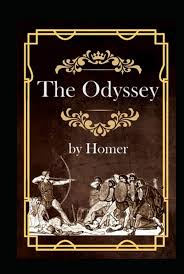
You can find examples of the Hero’s Journey in classical stories like The Odyssey by Homer and Beowulf. These epic poems offer great insights into the story structure and can be a lot of fun to read aloud. Get theatrical with it if you want! Studying these classics will help you learn how to identify the key moments where the Hero’s Journey markers are in the story.
Want some modern examples? Maybe in a story form that matches what you’re writing? Let’s look at a few more examples.
Vin from the Mistborn series by Brandon Sanderson is a great modern example of the Hero’s Journey. Vin’s story hits all the marks discussed above, just in the first book. Her transformation from a mistrustful, downtrodden girl into a powerful and confident hero who shapes the fate of her world draws on that classical narrative structure for a powerful first book. (See The Final Empire by Brandon Sanderson)
The Three-Act Structure
The Three-Act Structure is a common framework for storytelling. While there are many debates about whether a four or five act structure is more useful, the three-act structure is a basic form that can be used to study any book. “The three-act structure is a model used in narrative fiction that divides a story into three parts (or acts), often called the Setup, the Confrontation, and the Resolution.” (Reedsy) You can often find this model paired with Freytag’s Pyramid. But let’s look at what each of these three acts contains to get you started in your three-act structure.
Key Elements of Each Act

Act 1: Setup and Inciting Incident
- Setup: Introduce the characters, establish the setting, and present the story’s normal world. This can take pages or a few sentences, but it is critical to your story.
- Inciting Incident: The trigger event that presents the story problem the character will face. This also introduces the stakes and begins the momentum that keeps readers turning pages.
Act 2: Rising Action and Complications
- Rising Action: Acts as the catalyst for the story, where the protagonist encounters a series of obstacles, develops relationships with other characters, and finds the growth and change necessary to face the climax.
- Complications: Points in the story where the stakes increase, including a midpoint twist that changes the story’s direction and a crisis point where everything seems lost.
Act 3: Climax and Resolution
- Climax: The final confrontation with the story problem. This is the true test of whether the protagonist has learned the necessary lessons to become who they need to be. It also introduces the turning point where the character fulfills the premise promise.
- Resolution: Focuses on the immediate consequences of the climax and the return to the normal world, with the character changed in some way.
Using the Three-Act Structure helps you create well-paced and engaging narratives. It provides a clear framework to develop the story’s plot and characters while maintaining a cohesive progression from beginning to end.
Subverting Expectations: Non-linear Structures
With modern times come modern inventions. Enter the non-linear story structure. These stories break traditional structures and experiment with new forms to create engaging narratives. A non-linear structure presents events out of order or in fragments. These can be found in journal narratives, memoirs, and frame narratives.
Many linear stories use non-linear elements like flashbacks, but a true non-linear story makes the past just as important as the present. Modern stories use different types of non-linear structures.
- Out of Chronological Order: These events are clearly told out of order, shaping how readers view the characters and their story. You might find yourself liking a character due to all the positive stories told at first, but disliking them by the end of the book as their flaws are gradually revealed.
- Parallel Narratives: These are stories often found in multi-POV novels, and offer the reader a deeper insight into the story as a whole. Often, these separate stories are tied together by an event, a character, or a theme. One of my earliest memories of such a story is The Darkest Evening of the Year by Dean Koontz.
- Flashbacks and Flash-Forwards: Flashbacks and flash-forwards are tools commonly used in linear narratives to share background information with the reader, though they are more frowned upon in recent times. Modern stories are expected to reveal information without info-dumping a whole scene from the past. In non-linear story structures, flashbacks and flash-forwards shape the narrative and control how much information the reader learns.
These unique story structures offer writers innovative ways to shape their narratives into fascinating novels. Incorporating these elements into your fiction may come naturally for some and be more challenging for others. However, if you feel something is missing in your story, it might be worth exploring the concept of non-linear structures further.
Writing Exercise: Shape-Shifting Narrative
In this exercise, you’ll write the same core story three different ways, using different structural approaches. This will help you understand how story structure impacts narrative delivery and emotional resonance.
The Core Story Elements
Use these basic elements for all versions:
- Character: A person who discovers an unusual ability
- Setting: A ordinary workplace
- Conflict: The character must decide whether to use their ability to help someone in need
- Stakes: Using the ability comes with a personal cost
Part 1: Hero’s Journey Version (5 minutes)
Structure your story using these beats:
- Ordinary World: Character at work
- Call to Adventure: Discovery of the ability
- Crossing the Threshold: First time using the ability
- Trials: Dealing with the consequences
- Return: Making the final choice about using the ability
Part 2: Three-Act Structure Version (5 minutes)
Reorganize the same story elements into:
- Act One: Setup and inciting incident (discovering the ability)
- Act Two: Rising action (experimenting with the ability, facing complications)
- Act Three: Climax and resolution (making the crucial choice)
Part 3: Nonlinear Version (5 minutes)
Write the same story by:
- Starting with the moment of choice
- Weaving in flashbacks of discovering the ability
- Jumping between past and present to reveal consequences
- Ending with the character’s first day at work before the ability manifested
Reflection Questions
After completing all three versions, consider:
- Which structure felt most natural for this story?
- How did each structure change the emotional impact?
- What details emerged in one version that were missing in others?
- Which version would most engage your target readers?
Here is my attempt at this week’s Writing Exercise: Shape-Shifting Narrative
The Core Story Elements
Use these basic elements for all versions:
Stakes: Using the ability comes with a personal cost – Each phasing through the wall, and the amount of people he helps, he gets a small cut on his body. The cuts require a normal amount of time to heal, but if he gets too many he will die. Death by a thousand cuts concept.
Part 1: Hero’s Journey Version (5 minutes)
Character: A person who discovers an unusual ability – Erik discovers that he has the ability to walk through walls.
Setting: A ordinary workplace – Erik works in a office building at a major tech company.
Conflict: The character must decide whether to use their ability to help someone in need – Erik must decide if he uses his ability to get people to safety when a fire breaks out in the lower levels of the office building.
Structure your story using these beats:
- Ordinary World: Character at work – Erik just received a reprimand for his work performance, but goes back to his desk to vent with his best coworker friend. The Tech giant is known for its negative reviews from employees, but it’s a well-paying job so Erik takes the reprimand and gets back to work.
- Call to Adventure: Discovery of the ability – Erik is trying to speed up his process, getting products delivered faster, when he walks through a glass pane that’s infamous for people to run into as they’re distracted. He notices a small stinging sensation on his chest, and finds a small cut there that he can’t explain.
- Crossing the Threshold: First time using the ability – Erik finds the construction area on one of the lower floors on a lunch break. He tries different levels of walking through objects and each time he gets a cuts.
- Trials: Dealing with the consequences – Erik uses his ability for personal gains until one day that a fire breaks out on the lower floors. He’s been able to figure out how to move between floors, but that costs him two cuts. After one day of walking through walls, Erik faces a new level of exhaustion as blood stains many spots on his clothes. He realizes how much it costs him to walk through walls. As the fire engulfs the construction floor, the only option is to get people out of the building by phasing them through the non-fire walls. Erik first focuses on saving himself, but sees the building from outside and wonders if anyone still in the building deserves to die.
- Return: Making the final choice about using the ability – Erik uses his ability to save all of his coworkers on the floors, but by the end he is covered in so many cuts that he almost dies as he saves the boss who reprimanded him. Erik was able to save everyone, but when he wakes up in the hospital bed he’s covered the scars of a thousand cuts.
Part 2: Three-Act Structure Version (5 minutes)
Reorganize the same story elements into:
- Act One: Setup and inciting incident (discovering the ability) – Erik, an office worker at a tech giant is an average worker that faces reprimands for not excelling, until he discovers that he can walk through walls.
- Act Two: Rising action (experimenting with the ability, facing complications) – Erik experiments with the ability in a construction area of his office building where he discovers the cost of the cuts for each time he uses his ability. He spends the next few weeks enjoying his new ability to get his personal gain and to help improve his work ethic. One day, he uses it to try and steal items from stores, but he ends up having to run from the cops. The excessive running through the walls almost causes him to pass out from all of the cuts. Erik realizes that he can’t just take it simply and worries that he’s become a worse person with a power that should have made him better.
- Act Three: Climax and resolution (making the crucial choice) – A fire breaks out at Erik’s office building. Erik instinctively runs and gets out of the building by walking through walls and floors to get to safety. As he stands outside the building he sees the faces of the employees that are pressed against the windows to get away from the head. Erik realizes that he was a person who helped others before he became so jaded. Erik runs back into the building and takes people out of the building the way he initially went, but he finds he’s only able to take the people who are touching him. Then as he gets most of the people out, the original path gets consumed with fire. There are still a few of the management team stuck in the building and Erik almost gives up, but he thinks back to the theft and who he wants to be, so he goes back for the man who reprimanded his work ethic at the beginning of the story. Erik wakes up in the hospital covered in scars. The office building was lost because of some strange accelerant, but only a few people died thanks to Erik’s efforts.
Part 3: Nonlinear Version (5 minutes)
Write the same story by:
Ending with the character’s first day at work before the ability manifested – Erik is called to his manager’s office to be reprimanded for his poor work effort and inability to consider the teams needs over his own.
Starting with the moment of choice – Erik stands outside of a burning building looking up at his coworkers pressed up against the windows hoping for rescue from the fire team that’s stuck behind city traffic.
Weaving in flashbacks of discovering the ability – Erik remembers his firs time walking through a wall, it was a glass wall that he should have run into. The new ability changed everything for him.
Jumping between past and present to reveal consequences – Erik flashes to his robbery attempt and how the after effects cost him more than he expected after having to run from the cops. Erik runs back into the building to save the others. With each person he remembers how each person or group treated him and why he realizes that he doesn’t have a choice to save them. The last person he can save before he passes out is his manager. Erik wakes up in the hospital covered in scars.
Conclusion
Story structure serves as the backbone of compelling narratives, with different frameworks offering unique approaches to storytelling. You’ve now explored three major structural approaches: the time-tested Hero’s Journey, which follows a protagonist’s transformation through specific stages like the Call to Adventure and Return Home; the classic Three-Act Structure, which organizes stories into Setup, Confrontation, and Resolution; and modern Nonlinear Structures, which experiment with chronology through techniques like parallel narratives and strategic flashbacks.
Understanding these various frameworks is crucial for writers, as each structure serves different storytelling needs and can be adapted to create engaging narratives. While traditional structures like the Hero’s Journey remain relevant by drawing from ancient mythological patterns, you shouldn’t feel constrained to a single approach – instead, you should explore and experiment with different structural techniques to find the one that best serves your specific story and creative vision.
Writing Update
This past week, I faced a challenge I hadn’t encountered in a while. While receiving feedback on my book, I fell into a crisis mindset, questioning if my writing was any good. It’s common to receive feedback that makes you doubt the worth of your work, but being a writer is an endless journey.
In those moments of doubt, it’s important to remember that your writing style won’t appeal to everyone. Readers from different genres have varying expectations, which can influence their feedback. This doesn’t mean you should ignore their comments, but rather, look for the valuable insights they offer.
For instance, I realized that my story’s blocking and scene establishment could use improvement. The lesson often comes after the initial frustration with the feedback, so always give it time.
Additional Resources
- Books:
- “The Hero with a Thousand Faces” by Joseph Campbell: This classic explores the monomyth or “hero’s journey,” a common template in myths and modern storytelling.
- “Story: Substance, Structure, Style, and the Principles of Screenwriting” by Robert McKee: A comprehensive guide on story structure, particularly useful for screenwriters.
- “Save the Cat! Writes a Novel” by Jessica Brody: This book adapts Blake Snyder’s screenwriting principles for novelists, offering a clear structure for storytelling.
- Online Articles and Blogs:
- Brilliantio’s article on Modern Mythology in Narratives: This article explores how contemporary stories incorporate mythological elements to create depth and cultural resonance1.
- Bryn Mawr Classical Review: Offers insights into how ancient Greek myths are retold for modern readers, providing a blend of traditional and innovative narrative practices2.
- Robin Piree’s blog on How to Write a Myth: Provides practical advice on channeling ancient tales into modern narratives, including research tips and structural guidance3.
- Courses and Workshops:
- MasterClass: Courses by renowned authors like Neil Gaiman and Margaret Atwood, who delve into storytelling techniques and structure.
- Coursera: Offers courses on creative writing and storytelling, including modules on narrative structure and mythological influences.
- Podcasts:
- “Writing Excuses”: A podcast by writers for writers, covering various aspects of storytelling, including structure and myth.
- “Myths and Legends”: Explores different myths and legends, providing insights into their structures and themes.
These resources should provide a solid foundation for understanding and applying story structures from ancient myths to modern tales.
Previous Post: The Five Essential Elements of Plot
Next Post: February Newsletter
Next Writing Post: Plot vs. Story: Understanding the Difference
Discover more from Kenneth W. Myers
Subscribe to get the latest posts sent to your email.
 Kenneth W. Myers
Pingback: Plot vs. Story: Understanding the Difference for Writers – Myers Fiction
Pingback: Unit 12 – Personal Investigative Research – Lexi level 3 year 2