- Introduction
- Superpowers
- Magical Abilities
- Writing Exercise: Choosing Superpowers or Magical Abilities
- Conclusion
Introduction
Superpowers and magical abilities have captured the imagination of readers since they first appeared. How many of us haven’t wanted to wake up with a new ability? From radioactive spiders to a letter from a wizarding school, we, and many others, wait for that time to come. If you’re creating a world like this, where the character knows or doesn’t see it coming, lets look if you should go the superpower route or magic abilities. The path you choose will greatly impact your story.
Let’s get the definitions out of the way before we dive into the pros and cons of each.
Superpowers: These are extraordinary abilities that go beyond the natural capabilities of humans. They can be there from birth or brough on by genetic mutation, scientific experimentation, or exposure to supernatural forces.
Magical Abilities: These are rooted in mystical or supernatural sources. Users typically access these through spells, rituals, or inherent magical talent.
Deciding your approach will impact many important aspects of your science fiction or fantasy story. From world-building, character development, and genre expectations, you’ll need to lock in each decision to match the approach you’ve chosen.
Superpowers

While most think of superpowers in association with Marvel and DC Comics, there are many other superpower stories. Brandon Sanderson wrote “The Reckoners” series as his own version of superheros. Project Power was an awesome film where certain pills gave the user superpowers for five minutes. And you can’t forget The Boys on Prime Video. If you have your own favorites, drop them at the bottom of the post. But let’s look at why and you might not choose to write a superpower story.
Pros
Often Grounded in Scientific Concepts
Superpowers as scientific? That seems a little ridiculous, but it’s true. Many superpowers are based on scientific concepts or psuedo-sciences that explain the powers. These can be through genetic mutations, advanced technologies, or chemical manipulation. A radioactive spider bit Peter Parker and he gained spider abilities after his genes mutated. This is a more permanent example, but one that many are familiar with. Audiences accept this storyline because we’ve seen the dangerous effects of radioactive exposure. It also ties into the belief in vampires and werewolves biting and “turning” you into their own. Essentially, we were preconditioned to accept a Spider-Man situation. Now, you don’t have to give them a permanent superpower to make a good story.
Project Power activates latent genetic ability in the user through the power pill. Just as everyone’s genes are different, every power received differs. We attribute this one to an advanced technology, in this case pharmacology. The innovations of medicinal enhancements can be tied to the direct effects we see of medicine on the human body. They can either send people into a rapid incline or decline. I know that when I got injections in my hips before my diagnosis, for three days I could run without any pain. The believability of the Project Power scenario comes from the pill’s temporary effects.
With superpowers you can also explore the implications of genetic engineering, the potential of human augmentation, and the boundaries of scientific discovery. The Boys show does a great job of showing the realities that we would face if superpowers existed in modern days. It may be viewed as a more pessimistic approach, but that’s the great thing. What beliefs can you challenge in your superpower story?
Easier for Readers to Relate to in Modern Settings
Many readers of Superpowers expect contemporary or near-future settings. The time proximity makes it easier for readers to relate to the characters and environments they explore. The Incredibles set a family of superheros against the normal world and the struggles that each member of the family deals with in every day life. This connected to the range of audiences that viewed the movies. This doesn’t mean that your story has to have a character to match every demographic, but consider how you can better connect to your readers.
Superpowers address real-world issues such as social justice, environmental concerns, and technological advancements. This brings the conflicts to readers that they’re familiar with and probably discussed over the Thanksgiving dinner. It also creates that slight distance that helps readers not feel so directly connected with the issue. “The Reckoners” by Brandon Sanderson addresses things like resistance and rebellion, power and corruption, and surveillance and control. All have happened or are vividly present in our contemporary world. The struggles of the normal human beings trying to survive in a superpower controlled world forces readers to consider what ethical dilemmas they might face in a similar world.
Cons
Can be Limited by Scientific Plausibility
What can work for you, can also work against you. Much like in Hard Sci-Fi, superpowers can seek validity through scientific principles, only to fall short. Why? Because the plausibility gets stretched too thin. This can break your reader’s immersion into the piece.
It’s also challenging to maintain the consistency of the scientific principles as you try to balance it with your creativity and story needs. Explaining a superpower scientfically will force the character to adhere to those scientific principles. While it’s common for superpowers to have weaknesses, you’ll also need to keep in mind the countermeasures that scientifically inhibit the superpower.
Risk of Becoming Cliché
There are a lot of superpower stories, especially since the boom of the Marvel Cinematic Universe. Many readers and viewers love these stories, but as creators of superhero tales in the modern day, you face another challenge beyond crafting a good story. Overused tropes like flying or super-strength have become more of a cliché. You’ll find it harder to keep readers engaged with those powers, which can lead to predictability and reader dissatisfaction. However, this doesn’t mean you can’t write a story with these powers.
You’ll need to work harder to make the powers unique to your story. The old adage that every story has already been told comes into play here. Yes, you may have flying in your story, but as long as you don’t rely too heavily on the tropes and write flying in your own way, you can keep it fresh.
More Explanation Needed
The origin story is a crucial element in many narratives, providing essential context for the events that unfold in the main story. It sets up the characters’ motivations and actions, giving readers insight into their backgrounds and development. While it is a familiar trope, a well-crafted origin story can add depth and richness to the overall narrative. Balancing the exploration of the origin story with the progression of the main events requires finesse, as too much focus on either aspect can detract from the readers’ engagement. Integrating the two, writers can ensure that the audience remains engaged with the unfolding tale.
You’ll also need to explain how a superpower works, as well as it’s limitations. This can lead to complex passages of information that will overwhelm readers. Write out the full description for yourself, however much detail you need, and then you’ll have everything you need for the story. Maybe you’re writing a series and only part of the information is needed for that book. Most likely, when your character(s) got their superpowers, nobody gave them a handbook with all of the details they would ever need to know about the powers. What your character learns about the limits of their superpowers, and thus what you show readers, will depend on the story you’re writing.
Superpowers are a great challenge ready for those writers wanting to delve into the intricate workings of extraordinary abilities. Whether it’s the complexity of a superhero’s moral dilemmas, the impact of their powers on personal relationships, or the struggle to balance the responsibilities of their abilities with everyday life, there’s no shortage of thematic material to explore.
Magical Abilities
Pros
Unlimited Creative Potential
Magic abilities can be fun and full of endless possibilities as you create your story. They can help or hinder characters, change landscapes, and redefine the reader’s experience with magic all at once. You’ll find that magical abilities offer more opportunities for internal growth than some might expect. The unlimited creative potential lies in the development of the character.
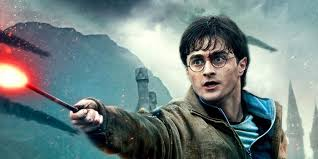
When you decide to use magical abilities, you’ll find fewer restrictions compared to superpowers. You don’t have to worry about scientific principles or making it logical. The magical abilities your characters hold will set the standard for what readers should expect from your world. Below are a few magical abilities for you to consider:
- Spellcasting: Casting spells is one of the most recognized forms of magical abilities. With it you can add diversity with how the spells are cast, what’s required for each spell, and how they are learned. Look to the “Harry Potter” series for examples.
- Elemental Control: Manipulation the elements of earth, water, fire, and air is another classic. Look at Storm from X-Men, or series like Avatar: The Last Airbender.
- Shape-Shifting: Changing one’s form into another creature or object. Think “Animorphs,” Vampire and Werewolf stories, and “Harry Potter.”
Mythological or Cultural Systems
Sometimes you can pull from pre-established systems to bring magical abilities to your characters. Common mythologies referenced in fiction often include Greek, Egyptian, and Norse. The reason we see so many magical abilities from these stories is their universality and enduring appeal to audiences. It also helps that these gods and goddesses were known to bestow magical abilities upon a chosen few for various reasons.
Pulling from a certain mythology requires a lot of research, but much of the background story has already been written for you. It does present the challenge of adhering to the expectations of the mythology, but if you’re writing a story with magical abilities from a mythology, it’s usually not for convenience. Magical abilities related to Mythology are used when the author wants to explore modern themes through a different context.
You can also draw inspiration from cultural systems. There are many cultures in the world, historic and contemporary, that allow for unique magical abilities based on history, geography, and values. A common example is pulling from Medieval Europe as in J.R.R. Tolkien’s Middle-earth and George R.R. Martin’s Westeros. Both are heavily inspired by medieval feudal systems, chivalric codes, and significant religious influences.
You can pull from many other cultures and histories, but always be wary of cultural appropriation. To avoid this research, consult with experts, have sensitivity readers, and focus on universal themes. There are many other things to consider, but those should be a good place for you to start your story in comfort.
Mystery and Unexplained Elements
Understanding magic abilities is like exploring the depths of the seven seas in a lifetime. No matter how long you work at it, there will always be something new for someone to discover. Magic allows you to create mystery and leave unexplained events as setups throughout your story. That’s the great thing about magic—it leaves room for wonder. Today, your character may only be able to make a feather levitate, and later, they might lift a troll’s club. If there’s opportunity for growth in the magical abilities of your story, then there’s room for the mystery of “what if.”
Cons
A Risk of Plot Convenience
We talked a little bit about this in a previous post. But magical abilities are infamous for providing plot conveniences. As writers, we’re great at challenging our characters and beating them until they literally can’t escape. Now you give your character magical abilities. Great. But have you set the groundwork for those abilities to manifest the way they do? That’s the simple question you can ask yourself to see if you’ve stumbled into “deus ex machina.”
Sometimes we discover the extent of magical abilities as we explore the stories. So if you realize you’ve written a “deus ex machina,” then you have two options. You can go back to the the point whether that’s scenes, chapters, or the opening of the book and rewrite your character’s journey so they don’t end up in that trap. Or you can sprinkle in the different pieces that would lead to that magical realization and make it part of the characters growth. It’s not just mentioning it earlier on, but showing the costs it took for others to achieve it.
May Require Extensive World-Building and Rule-Setting
While readers of magical ability stories are more open-minded when it comes to the source of power, there are plenty that want it to make sense. Look at the Hard Vs. Soft Fantasy to learn more about these differences.
In regards to the story your creating with magical abilities and world-building and rule-setting. You’re more likely looking at a more extensive preparation time before you begin working on your book. You’ll need to consider how the magical abilities impact every aspect of the characters’ lives. Magical abilities don’t just shape the character, but the world around them. It changes what people research, how technology develops, and what drives personal and social goals.
Writing Exercise: Choosing Superpowers or Magical Abilities
Now that you’ve reviewed the pros and cons of superpowers and magical abilities, it’s time to put that knowledge into practice. For this exercise, choose one of the following options:
Option 1: Superpower
Story Develop an outline or short story that features a character with a superpower. Consider the following:
- What is the scientific basis or origin of the superpower? How can you ground it in plausible concepts?
- How does the superpower impact the character’s everyday life and relationships? What challenges or complications arise?
- What real-world issues or themes can you explore through the lens of this superpower?
- How can you make the superpower feel fresh and unique, avoiding common clichés?
- What explanations or details about the superpower’s mechanics will you need to provide to your readers?
Option 2: Magical Abilities Story
Develop an outline or short story that features a character with magical abilities. Consider the following:
- What mythological, cultural, or original magical system will you draw from? How can you leverage the creative potential of this system?
- How do the character’s magical abilities evolve or expand throughout the story? What new discoveries or mysteries unfold?
- What rules or limitations will you impose on the magical abilities to avoid plot convenience?
- How can you use unexplained or mysterious elements of the magical abilities to create a sense of wonder and enchantment?
- What world-building considerations will you need to address to make the magical system cohesive and believable?
Regardless of which option you choose, be sure to keep the pros and cons discussed in the document in mind as you develop your story. This exercise will help you apply the insights gained and experiment with the best approach for your particular narrative.
Conclusion
Superpowers and magical abilities each offer unique opportunities and challenges for science fiction and fantasy writers. By understanding the pros and cons of each approach, you can make an informed decision about which path best suits your story and creative vision. Whether grounding your narrative in scientific principles or embracing the limitless potential of magic, the key is to find an approach that allows you to craft a compelling, immersive, and truly captivating tale.
Previous Post: Designing Alien Species Part 3: Interactions with Humans
Next Post: October Newsletter
Next Writing Post: Tech vs Magic: How to Balance the Two in a Unified World
Discover more from Kenneth W. Myers
Subscribe to get the latest posts sent to your email.
 Kenneth W. Myers
Nice article 🌺🌺
LikeLiked by 1 person
Thank you! 😁
LikeLike
Welcome dear friend 🌺🌺
LikeLike
Pingback: Alien Species Design Part 3: Interactions with Humans – Myers Fiction
Pingback: Tech vs Magic: How to Balance the Two in a Unified World – Myers Fiction
Pingback: Myers Fiction October Newsletter – Myers Fiction
Pingback: Myers Fiction March Newsletter – Myers Fiction