
Introduction
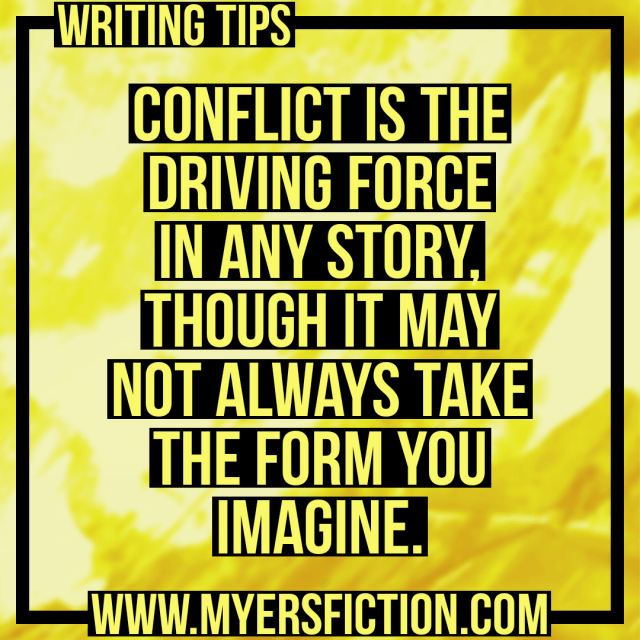
Conflict, it’s the part of the story no one wants to admit they enjoy. Why is this? Because most people apply a negative connotation in the word conflict. In reality, conflict occurs any time two things oppose each other. And every story should have a conflict, because that’s what keeps your reader’s eyes on the page.
How the conflict drives the plot, creates tension, and engages readers varies with each story. Conflict drives the plot forward by giving your protagonist an apposing force to work against, or a goal to reach. Using conflict to create tension could be a romantic tension in a love story, tension of friendship, or tension of the unknown. And your readers will engage with all of it, so long as it’s earned and valid.
This post aims to introduce conflict-focused writing tools and explore various conflict types.
Internal Conflict
Internal conflict is a fundamental aspect of storytelling, as it delves into the depths of a character’s psyche and evokes a sense of relatability for the readers. When a character experiences internal conflict, they face a profound dilemma that stems from their own thoughts, beliefs, or emotions. It is through this internal struggle that readers can truly connect with the character on a deeper level.
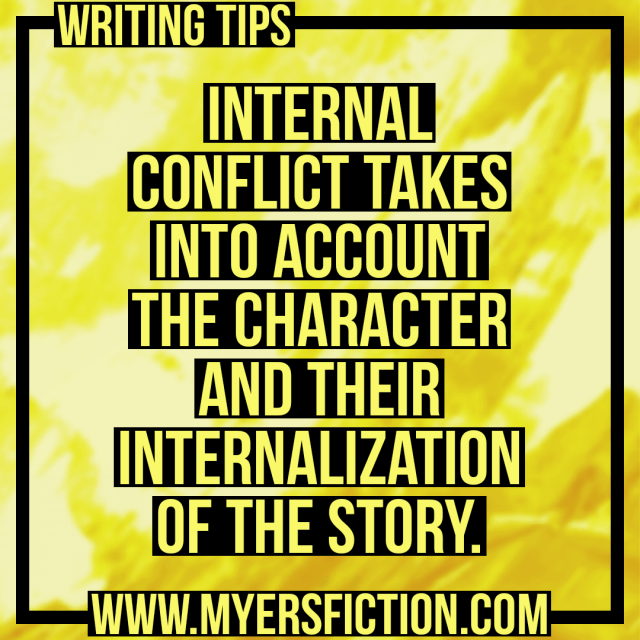
The beauty of internal conflict lies in its ability to bring characters to life and make them feel more human. It adds layers of complexity and authenticity to their personalities, allowing readers to empathize with their struggles and understand the choices they make. Whether it’s a protagonist torn between their desire for freedom and their sense of duty, or a villain grappling with conflicting moral compasses, internal conflict forces characters to confront their own inner demons.
A great example of internal conflict to review is Red Rising by Pierce Brown. Darrow, the protagonist, is put into a position where he must fight for what he believes while becoming everything he’s always hated. If you haven’t read this book and you’re looking for an interesting study in culture and society, you’ll definitely want to add this one to your bookshelf. Learn more about Red Rising and internal conflict in the next writing tips post!
External Conflict
Welcome to probably the most exciting portion of conflict. I like to look at external conflict as the bombs, buildings, and bad guys of your story. In the continued effort to slow your protagonist down, you’ll need more than just the struggle of morality to build a strong book. The outside threats to your characters.
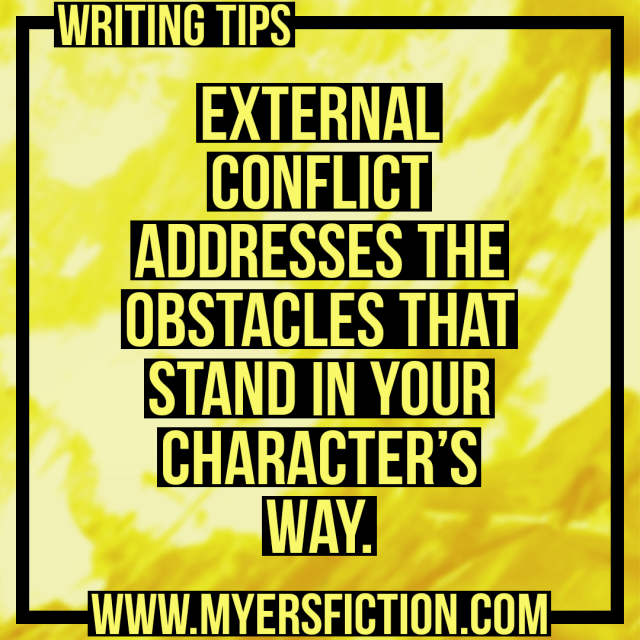
The future post will cover various external conflict types, including person vs. person, society, nature, and supernatural. Each of these offers unique pros and cons that a writer can use or dismiss. While these are the four most common external conflicts used in the story, the ever changing world of fiction will always be bringing new challenges to underqualified protagonists.
A great example of external conflict is the Hunger Games by Suzanne Collins. Here you have a story where more and more obstacles are thrown at the protagonist, Katniss Everdeen. Collins threw every type of conflict at Katniss besides supernatural, and you can offer a debate on that if you’d like. But if you haven’t read this book for your own reasons, I would still recommend it as a study in external conflict, if nothing else.
Conflicts of Interest
Using conflicts of interest is a great way to spark character actions and reactions off of each other. Think about conversations with someone you know. Are you more interested when they agree with everything you say? Or is it more intriguing when they disagree? At first, it may be nice to have someone who agrees with you, but soon enough, the conversation stalls and you’re both left twiddling your thumbs. Whereas someone with an opposing view could keep you up all night locked in arguments.
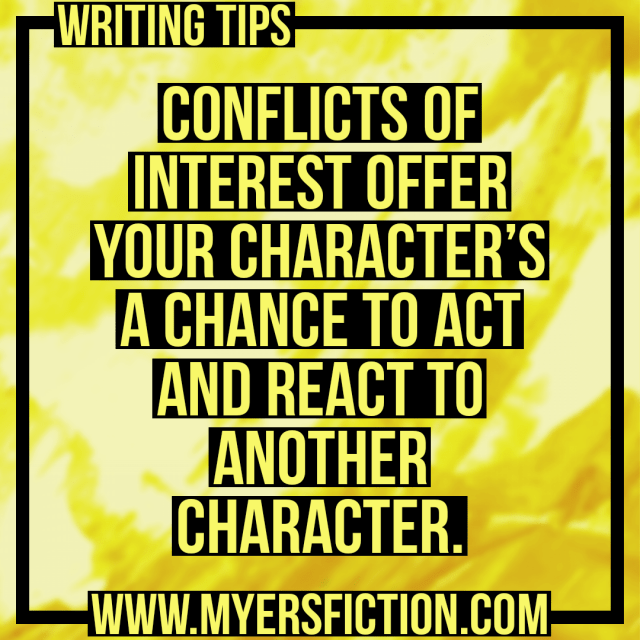
Conflict of interest is not limited to conversation and beliefs, but can also include conflicting goals, motivations, or desires among characters can drive the plot forward. By setting your protagonist with someone with a conflict of interest, you’re more likely to drive the story along with more interest from your readers. Because as you make the points for the conflicting interests, the readers will formulate their opinions on who they agree with more. You can also use this type of conflict to jump start a story out of a lull.
The Kingkiller Chronicle series by Patrick Rothfuss is a great example of using the conflict of interest to propel the story forward. Kvothe wants to share his story to make sure it is written properly, while his long-time companion has other hopes. The Name of the Wind is one of my favorite fantasy books out there, and I hope you’ll pick this one up as well.
Conclusion
Thank you for exploring this introduction to conflict and the different types that can be used in storytelling – internal, external, and conflicts of interest. Internal conflict delves into a character’s inner struggles and adds complexity. External conflict refers to outside obstacles the protagonist must face, like other people, society, nature, or supernatural forces. Using conflicts of interest between characters with opposing goals or desires can propel the plot forward and engage readers.
If you haven’t read the examples given, then try adding them to your reading list. As a refresher, this post referenced Red Rising showing internal conflict, The Hunger Games demonstrating external conflict, and The Name of the Wind illustrating conflict of interest. Overall, incorporate the various forms of conflict into stories as they create tension, drive the plot, and keep readers invested. Don’t forget to come back each week to learn and develop your sense of conflict more!
Previous Post: September Newsletter
Previous Writing Post: Using Motive to Create Better Characters
Next Post: A Myers Fiction Review- Fallen Angels by Anna Mocikat
Next Writing Post: Internal Conflict in Fiction
Discover more from Kenneth W. Myers
Subscribe to get the latest posts sent to your email.
 Kenneth W. Myers
Pingback: Myers Fiction Newsletter September 2023 – Myers Fiction
Pingback: Myers Fiction Review: Fallen Angels by Anna Mocikat – Myers Fiction
Pingback: Internal Conflict in Fiction – Myers Fiction